


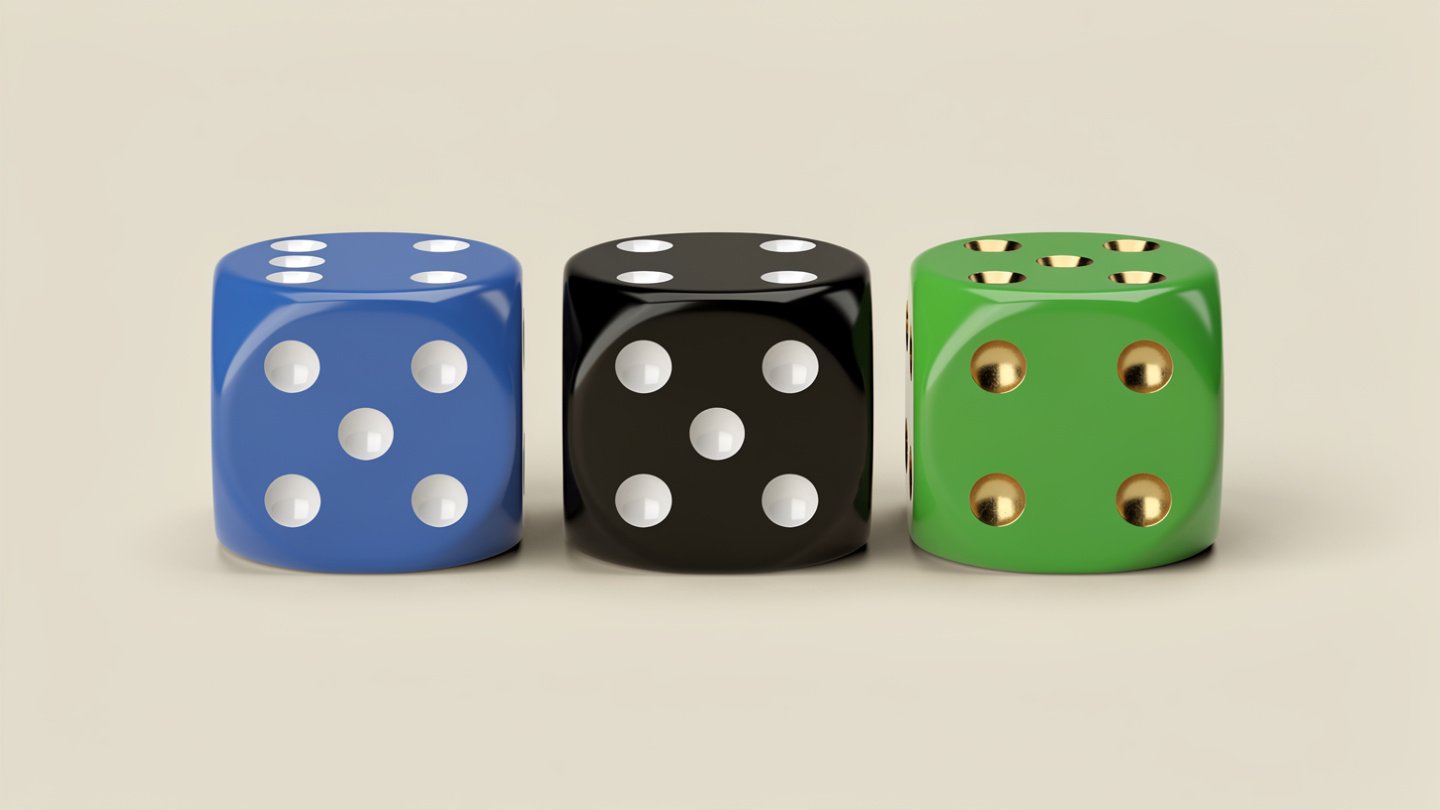
Rolling dice might seem like the simplest action in the world. You pick up a small cube, toss it across a table, and read the number that appears. Easy, right?
Well, yes and no. While anyone can throw dice, rolling them properly requires understanding a few important techniques that ensure fairness, respect game rules, and maximize enjoyment for everyone involved.
Whether you are playing family board games, participating in classroom activities, hosting game nights with friends, or exploring role-playing adventures, knowing how to roll dice correctly makes a genuine difference. Proper rolling techniques prevent disputes, maintain game integrity, and create a smooth, enjoyable experience for all participants.
This comprehensive guide covers everything you need to know about rolling dice the right way. We will explore the mechanics of a fair roll, common mistakes to avoid, techniques for different game types, etiquette rules, and tips that enhance your overall dice gaming experience.
Why Proper Dice Rolling Matters
Before diving into techniques, let us understand why rolling dice correctly actually matters beyond just following rules.
Fair chance-based gameplay depends on randomness. When dice land with equal probability for each face, everyone competes on level ground. Controlled throws, sliding, or intentionally influencing outcomes destroy that fairness and remove the fundamental appeal of dice games.
Proper rolling also shows respect for fellow players. Following established rolling conventions demonstrates that you value the shared experience and want everyone to enjoy the game together. It builds trust and keeps the atmosphere friendly rather than suspicious.
For children especially, learning to roll dice properly teaches important lessons about following rules, accepting outcomes gracefully, and participating in structured activities with integrity. These skills transfer far beyond game tables into broader social interactions and academic settings.
According to educational research published by the Association for Psychological Science, game-based activities that include fair chance elements help children develop understanding of probability, acceptance of uncertainty, and emotional regulation when facing unpredictable outcomes.
The Anatomy of a Proper Dice Roll
A proper dice roll contains several distinct elements that work together to produce fair, readable, and dispute-free results. Let us break down each component step by step.
Step One Hold the Dice Correctly
Pick up the dice using your fingers rather than your whole palm. For a single dice, hold it lightly between your thumb and first two fingers. For multiple dice, cup them gently in your slightly closed hand.
Avoid squeezing too tightly. The goal is to hold the dice securely enough that they do not fall prematurely but loosely enough that they can tumble freely when released. This balanced grip is the foundation of a fair roll.
Step Two Shake to Randomize
Before releasing the dice, shake your hand gently to randomize the starting position. This shaking motion ensures the dice begin their roll from an unpredictable orientation, which contributes to the overall randomness of the outcome.
A few quick shakes suffice. Excessive shaking looks theatrical but does not meaningfully improve randomness and can slow down gameplay. Two to four gentle shakes provide adequate randomization for most game situations.
Step Three Release with a Toss
Release the dice with a light tossing motion rather than simply dropping them straight down. A proper toss includes a small upward arc that allows the dice to tumble through the air before landing on the playing surface.
The toss should be gentle and controlled, not forceful. Throwing dice too hard causes them to bounce wildly, potentially leaving the playing area or disturbing game pieces. A moderate toss of six to twelve inches in height works well for most situations.
Step Four Allow Natural Bouncing and Tumbling
After the dice leave your hand, let them land and bounce naturally on the playing surface without interference. Proper dice need to tumble at least once or twice to ensure the outcome was not predetermined by how you released them.
Dice that land without bouncing or tumbling suggest a controlled throw rather than a random one. Most gaming communities require a reroll if dice fail to tumble adequately.
Step Five Wait for Complete Settling
Let the dice come to a complete stop before reading the result. A properly rolled dice lands flat on one face with the top surface clearly visible and horizontal.
Never grab the dice before they finish moving. Premature touching can alter the final position and raises questions about whether you accepted the true outcome or tried to influence it.
Step Six Read the Result Clearly
Once the dice settle completely, read the number showing on the top face. Announce the result clearly so all players hear and understand the outcome before taking your game action.
If multiple dice were rolled simultaneously, read each one individually in a consistent order such as left to right or highest to lowest, depending on what your specific game requires.
Common Dice Rolling Mistakes to Avoid
Even experienced players sometimes develop habits that compromise fair rolling. Here are the most common mistakes and how to correct them.
Sliding Instead of Tossing
Some players slide dice across the table like shuffleboard pucks rather than tossing them. This technique eliminates the randomizing tumble that makes dice outcomes unpredictable.
Always include an upward toss component in your roll. Even a small lift followed by a drop ensures the dice rotate during flight and land in a genuinely random orientation.
Controlled or Gentle Placement
Placing dice carefully on a specific face or releasing them so gently that they barely move constitutes a controlled roll rather than a fair chance-based throw. This behavior violates the fundamental principle of random outcomes.
If your dice rarely tumble or consistently land on similar numbers, adjust your technique to include more height, rotation, and bounce in each roll.
Rolling Off the Playing Surface
Throwing dice so forcefully that they fly off the table, onto the floor, or into other rooms creates disruption and slows gameplay. It also means the roll does not count and must be repeated.
Use a dice tray or rolling mat to contain your rolls. Moderate your throwing force to keep dice within the designated play area while still allowing adequate tumbling.
Touching Dice Before They Settle
Grabbing dice while they are still moving, even slightly, invalidates the roll. Some players do this unconsciously out of excitement or impatience, but it creates doubt about what the true outcome would have been.
Develop the discipline to keep your hands back until the dice lie completely still. This habit demonstrates integrity and prevents unnecessary disputes.
Reading Leaning or Cocked Dice
Sometimes dice land against obstacles, other dice, or table edges and rest at an angle rather than flat. These cocked or leaning dice do not display a clear top face and cannot be read accurately.
The universal rule requires rerolling any dice that does not land completely flat. Do not try to interpret which face is “most upward” on a tilted dice. Simply pick it up and roll again.
Rolling Without Adequate Space
Attempting to roll dice in a cluttered area surrounded by game pieces, cards, drinks, or other obstacles increases the chance of invalid rolls and accidental disruptions.
Clear a designated rolling space before each turn. Many games benefit from a specific dice rolling zone that all players use consistently throughout the session.
Dice Rolling Techniques for Different Situations
Different gaming contexts sometimes call for slightly adjusted rolling approaches while maintaining the core principles of fairness.
Rolling Single Dice
When rolling one dice, use a light pinch grip with thumb and forefinger. Give it a quick shake and release with a gentle upward toss. Single dice are easy to control accidentally, so pay special attention to including adequate height and tumble in your throw.
Rolling Multiple Dice Simultaneously
For games requiring several dice at once, cup them loosely in one hand. Shake gently to mix their positions, then release them together with a sweeping motion that spreads them across the rolling area.
This spreading release prevents the dice from landing in a tight cluster where they might interfere with each other’s tumbling. Aim to distribute them across the available space while keeping them within boundaries.
Rolling in Dice Towers
Dice towers are vertical containers with internal ramps that randomize dice as they fall through. To use one, simply drop your dice into the top opening and let gravity and the internal structure do the work.
Dice towers eliminate concerns about controlled throws and create consistent randomness. They also reduce noise and keep dice contained, making them popular for home gaming and shared spaces.
Rolling in Dice Trays
Dice trays are shallow containers with padded interiors that catch and contain rolled dice. Roll into a tray using the same proper technique described earlier, simply directing your toss to land inside the tray boundaries.
The padded surface reduces noise and prevents dice from bouncing out. Trays also protect furniture from impacts and keep dice from rolling into hard-to-reach areas.
Rolling Large or Specialty Dice
Oversized foam dice, metal dice, and other specialty types sometimes require adjusted techniques. Foam dice need gentler throws due to their light weight. Metal dice need softer landing surfaces to prevent damage and noise.
Adjust your force and target surface based on the specific dice material while maintaining the core principles of shaking, tossing, and allowing natural tumbling.
Dice Rolling Etiquette and Social Rules
Beyond mechanical technique, following social conventions around dice rolling keeps games friendly and enjoyable for everyone involved.
Roll in Designated Areas
Many games establish a specific rolling zone or require players to use dice trays. Always follow these designated area rules even if they seem unnecessary. Consistency builds trust and prevents accusations of selective rule-following.
Announce Your Rolls Clearly
State your results out loud immediately after dice settle. This transparency prevents confusion and ensures all players track game progress accurately. Mumbling, hiding dice with your hand, or failing to announce clearly creates unnecessary suspicion.
Accept Results Gracefully
Whether you roll exactly what you needed or exactly what you hoped to avoid, accept the outcome with good sportsmanship. Complaining, insisting on rerolls without valid cause, or showing excessive frustration spoils the atmosphere for others.
Dice games include chance-based elements specifically because unpredictable outcomes create excitement and level the playing field. Accepting that reality is part of being a respectful player.
Do Not Rush Other Players
Give everyone adequate time to roll properly, read their results, and take their turn. Rushing creates pressure that leads to sloppy rolling, misread numbers, and stressful gameplay instead of fun entertainment.
Handle Disputes Calmly
If disagreement arises about whether a roll was valid, discuss it calmly and refer to agreed-upon rules. If the group cannot reach consensus, the fairest solution is usually to reroll and move forward rather than arguing indefinitely.
Establishing clear house rules before gameplay begins prevents most disputes from occurring in the first place.
Teaching Children to Roll Dice Properly
Helping young learners develop good dice rolling habits early creates positive gaming experiences and teaches valuable life skills.
Start with oversized foam dice that are easy for small hands to grip and hard to throw dangerously. The larger size and softer material build confidence while minimizing frustration.
Demonstrate proper technique slowly and clearly. Let children watch you shake, toss, and read results several times before asking them to try. Modeling works better than verbal instruction alone for kinesthetic skills.
Practice rolling without keeping score initially. Make the act of rolling fun and low-pressure before adding the complexity of tracking points or making game decisions based on results.
Praise good rolling technique specifically. Instead of just saying “good job,” point out when children remember to shake before releasing or wait for the dice to stop moving. This specific feedback reinforces proper habits.
Use rolling practice as an opportunity to teach counting, number recognition, and basic probability concepts. Ask questions like “What number do you think will appear next?” or “How many dots do you see?” to integrate learning naturally.
Tools and Accessories That Improve Rolling
Several inexpensive accessories make rolling easier, fairer, and more enjoyable.
Dice trays come in materials like leather, felt, wood, and plastic. They contain rolls, protect surfaces, reduce noise, and create a consistent rolling environment. Prices range from a few dollars for basic models to premium handcrafted versions.
Dice towers provide automatic randomization and work especially well for players who struggle with manual rolling technique. They also add a satisfying tactile and audio element to each roll.
Rolling mats are portable fabric surfaces that provide cushioning and containment. They roll up for easy storage and transport, making them perfect for travel gaming.
Dice cups allow players to shake dice privately before releasing them, which some games specifically require. They also provide a contained shaking environment that produces consistent randomness.
None of these accessories are necessary for proper rolling, but they enhance the experience and solve common practical problems related to noise, space, and consistency.
The Science Behind Fair Dice Rolling
Understanding the mathematics and physics of dice rolling deepens appreciation for why proper technique matters.
A balanced six-sided dice has six equally likely outcomes, each with a one-in-six probability of appearing on any given roll. This equal distribution only holds true when the dice tumbles freely and lands randomly.
Controlled rolls that eliminate tumbling can skew these probabilities dramatically. Studies in physics have demonstrated that skilled manipulators can influence dice outcomes significantly when tumbling is minimized, which is exactly why proper rolling rules require adequate bounce and rotation.
The shape of the dice also affects rolling behavior. Cubes tend to tumble predictably with regular geometric motion. Irregular polyhedral shapes like twenty-sided dice tumble less predictably, which actually enhances randomness.
Surface texture, dice weight distribution, edge sharpness, and landing surface all influence roll fairness. High-quality dice manufactured to tight tolerances produce more consistent probability distributions than poorly made versions with irregular shapes or uneven weight.
This scientific foundation explains why seemingly small details like requiring tumbles and flat landings actually matter significantly for fair gameplay.
Bringing It All Together
Rolling dice properly combines simple physical technique with respect for rules, fellow players, and the fundamental fairness that makes dice games enjoyable. The core principles apply universally across different dice types, game genres, and player skill levels.
Hold dice lightly, shake briefly, toss gently upward, allow natural tumbling, wait for complete settling, and read results clearly. Avoid sliding, controlled placement, premature touching, and reading cocked dice. Follow game-specific rolling area rules and accept outcomes gracefully.
These habits take only minutes to learn but enhance every dice gaming experience for years to come. They demonstrate integrity, build trust among players, and preserve the delightful unpredictability that makes dice games timeless entertainment.
Whether you are introducing children to their first board game, hosting weekly game nights with friends, teaching probability in a classroom, or exploring complex role-playing adventures, proper dice rolling technique provides the foundation for fair, fun, and memorable experiences.
If you found this guide helpful, please share it with teachers, parents, game enthusiasts, and anyone who enjoys dice-based entertainment. Have your own dice rolling tips or funny stories about dramatic rolls? Leave a comment below and join the conversation. We love hearing from fellow dice rolling enthusiasts around the world.
Note: This article is for informational and entertainment purposes only. It does not promote or encourage real-money gambling.


