


Walk into any game store, classroom, or family game closet and you will find dice in more shapes, sizes, and colors than you might expect. While most people immediately picture the classic six-sided cube, the world of dice extends far beyond that familiar form. Dice are widely used for educational activities, family games, and skill-based learning.
From ancient gaming traditions to modern role-playing adventures, different types of dice serve distinct purposes. Each shape creates unique gameplay possibilities, teaches different mathematical concepts, and appeals to various age groups and interests.
This comprehensive guide explores the fascinating variety of dice used in games today. We will cover standard designs, specialty shapes, educational variations, and the creative innovations that keep dice culture vibrant and evolving. Whether you are a parent seeking educational tools, a teacher planning classroom activities, or a game enthusiast curious about your options, this article provides clear and practical information.
The Classic Six Sided Dice
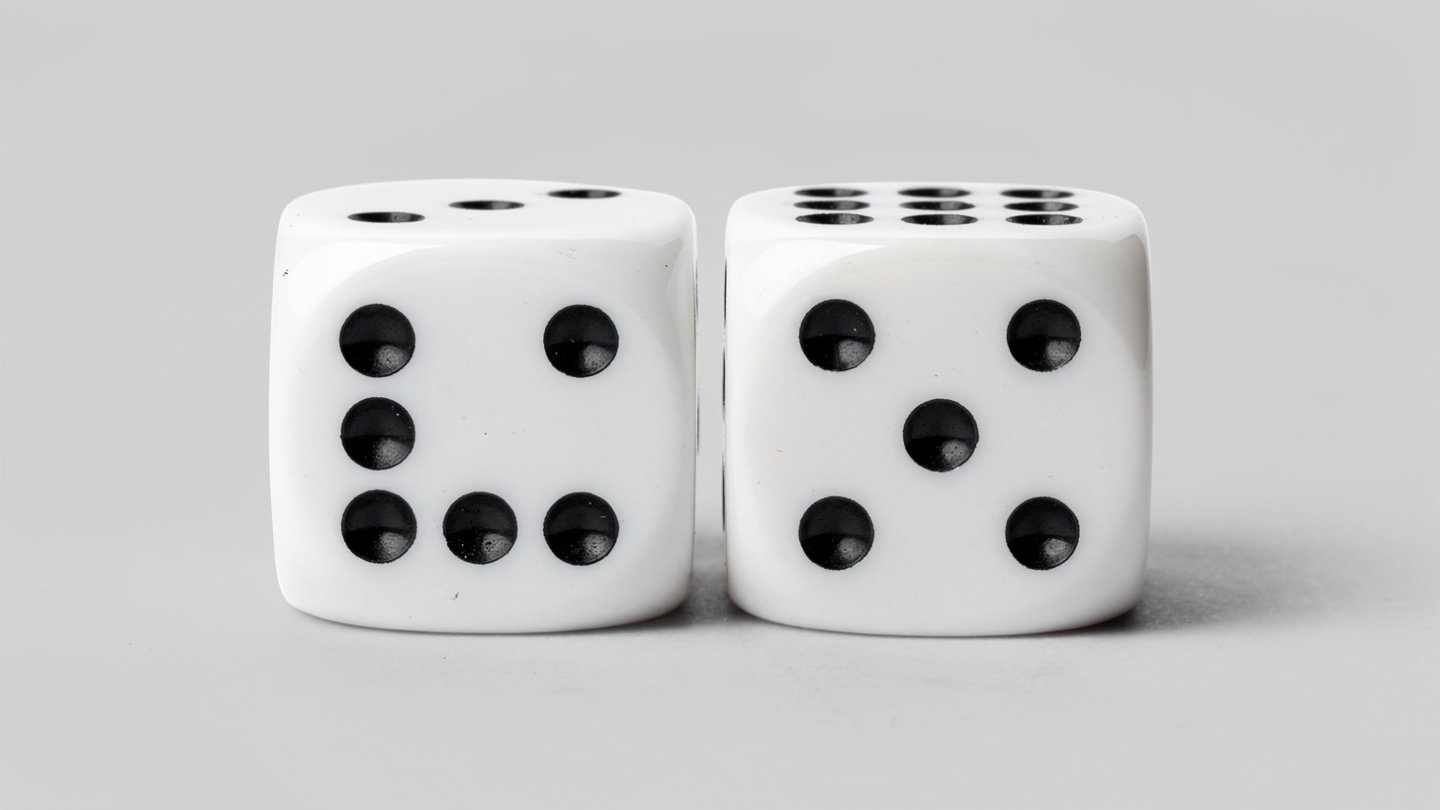
The standard six-sided dice, technically called a d6 in gaming terminology, remains the most recognized and widely used type worldwide. This small cube features six square faces, each displaying a number from one to six represented by dots called pips.
The design follows strict manufacturing conventions that have remained remarkably consistent for thousands of years. Opposite faces always add up to seven, meaning one sits across from six, two across from five, and three across from four. This arrangement helps ensure balanced probability and fair gameplay.
Standard dice measure typically between 14 and 16 millimeters per side, though variations exist for specific purposes. Manufacturers produce them from materials like cellulose acetate, acrylic, wood, metal, and even gemstones for premium versions.
The six-sided dice appears in countless games from Monopoly and Yahtzee to educational math activities and simple children’s board games. Its universal familiarity makes it the perfect introduction to chance-based gameplay for learners of all ages. According to research from the National Council of Teachers of Mathematics, standard dice serve as fundamental tools for teaching probability, counting, and arithmetic reasoning in elementary classrooms worldwide.
Polyhedral Dice The Multi Sided Family
Beyond the standard cube, polyhedral dice create a whole universe of gaming possibilities. These geometric shapes feature different numbers of faces and serve specialized purposes in various game types.
Four Sided Dice or d4
The four-sided dice resembles a pyramid with four triangular faces. Each face displays a number from one to four. Because of its pointed shape, reading the result works slightly differently than with cube dice. The number at the bottom edges or pointing upward indicates the outcome, depending on the specific design.
The d4 appears frequently in role-playing games for determining outcomes with a smaller number range. Teachers also use them for probability experiments where students compare results between dice with different face counts.
Eight Sided Dice or d8
The eight-sided dice, or octahedron, features eight triangular faces arranged in two pyramid shapes joined at their bases. This shape rolls smoothly and displays results clearly on its top face.
The d8 expands the range of possible outcomes compared to standard dice, making it useful for games requiring numbers between one and eight. Its balanced geometry ensures each face has an equal probability of landing face-up when manufactured correctly.
Ten Sided Dice or d10
Ten-sided dice look somewhat like rounded kites with ten pentagonal faces. They typically display numbers from zero to nine or one to ten depending on the intended use.
Game designers often pair two d10 dice together with one representing the tens place and another representing the ones place. This combination allows players to generate random numbers from one to one hundred, creating extensive outcome possibilities for complex gameplay scenarios.
Twelve Sided Dice or d12
The twelve-sided dice, or dodecahedron, features twelve pentagonal faces and resembles a rounded gem. It provides outcomes ranging from one to twelve and appears in various board games and role-playing systems.
The d12 has special significance in geometry education because the dodecahedron is one of the five Platonic solids, geometric shapes with identical faces that have fascinated mathematicians since ancient Greece. Using a d12 in the classroom creates natural opportunities to discuss three-dimensional geometry.
Twenty Sided Dice or d20
Perhaps the most famous specialty dice is the twenty-sided version, known universally as the d20. It features twenty triangular faces and became iconic through its central role in Dungeons and Dragons, the legendary tabletop role-playing game created in the 1970s.
The d20 provides a wide range of outcomes that allow for nuanced probability in storytelling games. Rolling high numbers often represents success at difficult tasks, while rolling low numbers indicates failure. The emotional investment players develop around their d20 results has become a celebrated part of gaming culture.
The popularity of the d20 extends beyond gaming into mathematics education, where teachers use it to explore probability distributions across larger sample sizes compared to standard six-sided dice.
One Hundred Sided Dice or d100
For maximum outcome variety, manufacturers produce hundred-sided dice that resemble spheres covered in tiny numbered faces. These specialty items serve niche purposes in certain gaming systems and statistical demonstrations.
Reading a d100 requires careful attention because the faces are necessarily small and closely packed. Most gaming applications achieve the same result more practically by rolling two d10 dice together, but physical d100 dice exist for enthusiasts who appreciate the novelty.
Specialty and Custom Dice Variations
Beyond standard numbered polyhedral dice, creative manufacturers and educators produce countless specialty variations designed for specific purposes.
Letter Dice for Word Games
Letter dice replace numbers with alphabet characters on each face. Games like Boggle use these extensively. Players roll multiple letter dice and arrange them into a grid, then compete to find as many valid words as possible from the resulting letter combinations.
Letter dice serve valuable educational purposes in literacy development. Teachers use them for spelling practice, phonics activities, and creative writing prompts. Rolling random letters challenges students to think flexibly about word formation and vocabulary.
Color Dice for Visual Learning
Color dice display different colors on each face instead of numbers or letters. Young children use them to learn color recognition and matching skills. Therapists and special education teachers incorporate color dice into sensory activities and skill-building exercises.
Game designers also use color dice to create visually driven gameplay mechanics where players must match, collect, or avoid certain colors based on their rolls.
Symbol and Picture Dice
Dice featuring symbols, pictures, or icons create storytelling opportunities and imaginative play. Story cubes, a popular commercial product, display simple images like trees, stars, keys, or animals on each face. Players roll multiple story dice and use the resulting images as prompts to create spontaneous narratives.
These dice work beautifully in creative writing classrooms, family storytelling sessions, and language learning environments. They remove the pressure of starting with a blank page and provide concrete visual inspiration instead.
Blank Customizable Dice
Blank dice allow teachers, parents, and game designers to write their own content on each face. These versatile tools adapt to any subject or skill level. A math teacher might write multiplication problems on the faces. A language teacher might write vocabulary words. A therapist might write emotions for discussion prompts.
Blank dice typically come with dry-erase surfaces or small label spaces that accommodate custom content easily. This flexibility makes them invaluable in educational settings where personalized learning matters.
Oversized and Foam Dice
Oversized dice, sometimes measuring several inches per side, serve multiple practical purposes. Young children with developing fine motor skills find them easier to handle. Teachers use giant foam dice during active learning games where students physically catch, toss, or roll across classroom floors.
Foam construction makes these dice quiet and safe for indoor use. They work particularly well in energetic math games where students roll the dice and perform physical activities based on the results, combining movement with academic content.
Precision Dice for Fair Play
At the opposite end of the spectrum from casual game dice, precision dice feature exactingly balanced construction with sharp edges and perfectly centered pips. Manufacturers craft these from materials like resin and use careful quality control to ensure each face appears with equal probability.
While originally developed for professional gaming settings, precision dice appeal to board game enthusiasts who appreciate the craftsmanship and the assurance of completely fair outcomes. The visible perfection of these dice creates confidence in the randomness of results.
Materials Used in Dice Manufacturing
The substance from which dice are made affects their weight, durability, roll behavior, and aesthetic appeal. Understanding common materials helps buyers choose appropriate dice for their specific needs.
Plastic and Acrylic Dice
Most standard modern dice come from cellulose acetate or acrylic plastics. These materials offer excellent durability, accept vibrant colors well, and allow for precise manufacturing at affordable prices. Plastic dice work perfectly for everyday family gaming, classroom use, and travel entertainment.
Wood Dice
Wooden dice provide natural aesthetics and pleasant tactile feedback. Craftspeople often make them from hardwoods like maple, cherry, or walnut. The organic material appeals to players who prefer eco-friendly products or enjoy the warmth and character of natural wood grain.
Wooden dice typically cost more than plastic versions and require gentler handling to prevent chipping, but many users find the trade-off worthwhile for the sensory experience.
Metal Dice
Metal dice, crafted from materials like zinc alloy, copper, or even steel, deliver substantial weight and satisfying rolling sounds. Their heft creates a premium feel that appeals to serious game enthusiasts and collectors.
The extra weight affects roll behavior, often producing shorter rolls with more authoritative landings. Users should employ padded rolling surfaces to protect furniture and reduce noise when using metal dice.
Stone and Gemstone Dice
For luxury and aesthetic appeal, manufacturers produce dice from semi-precious stones like obsidian, jade, amethyst, or hematite. Each dice becomes a unique piece with natural variations in color and pattern.
Stone dice serve as beautiful display items and special-occasion game pieces. Their considerable cost and fragility make them unsuitable for everyday use, but collectors and gift-givers prize them for their beauty and uniqueness.
Choosing the Right Dice for Your Purpose
With so many options available, selecting appropriate dice depends on understanding your specific needs and context.
For family board games and general entertainment, standard plastic six-sided dice work perfectly. They are affordable, durable, and universally understood. Purchase several in different colors to accommodate multiple players or different game mechanics.
For classroom mathematics instruction, consider sets that include multiple dice types. Comparing probability across different dice shapes creates rich learning opportunities. Foam or wooden dice work well for younger students who need tactile engagement.
For role-playing games like Dungeons and Dragons, invest in a complete polyhedral set containing d4, d6, d8, d10, d12, and d20 dice. Many retailers sell these as coordinated sets in matching colors and designs.
For travel and portable entertainment, choose compact dice sets with secure storage containers. Mini dice sets fit easily in pockets or bags without taking valuable space.
For special occasions or gifts, consider premium materials like metal or gemstone dice that communicate thoughtfulness and quality.
The Educational Value of Different Dice Types
Different dice shapes support different learning objectives across subject areas and grade levels.
Standard six-sided dice teach basic probability, with students quickly grasping that each face has a one-in-six chance of appearing. Rolling two dice and adding the results introduces more complex probability distributions where certain sums appear more frequently than others.
Polyhedral dice with different face counts allow students to compare probability across varying sample spaces. This comparison deepens understanding of how the number of possible outcomes affects the likelihood of specific results.
Letter dice support literacy development through playful exposure to alphabet characters, spelling patterns, and vocabulary building. They transform abstract letters into tangible objects that children can manipulate physically.
Symbol and picture dice stimulate creative thinking, narrative skills, and flexible problem-solving. They work across language barriers and support students with different learning styles.
Research published by educational institutions including Harvard Graduate School of Education supports game-based learning as an effective strategy for developing mathematical reasoning, executive function skills, and collaborative social behaviors in students across age ranges.
Caring for Your Dice Collection
Proper storage and maintenance extend the life of dice and preserve their balanced rolling properties.
Store dice in soft pouches, padded boxes, or compartmentalized containers to prevent scratching and chipping. Keep different types separated to avoid damage from contact with harder materials.
Clean plastic and acrylic dice with mild soap and water when they become dirty. Avoid harsh chemicals that might damage the surface or fade printed numbers.
Handle gemstone and metal dice carefully to prevent drops onto hard surfaces. Use padded rolling trays with these premium materials.
Inspect dice periodically for damage or wear. Replace dice that develop chips, cracks, or other defects that might affect roll fairness.
The Future of Dice Design and Innovation
Dice culture continues evolving with new materials, technologies, and creative applications appearing regularly.
Smart dice with embedded Bluetooth technology can transmit roll results digitally to companion apps, creating hybrid physical-digital gaming experiences. These innovations appeal to tech-savvy players who enjoy blending traditional tabletop experiences with modern connectivity.
Eco-friendly manufacturers produce dice from sustainable materials like bamboo, recycled plastics, and biodegradable compounds, responding to growing environmental consciousness among consumers.
Artists and craftspeople create handmade artisan dice with unique visual effects like glitter suspension, color swirls, embedded objects, and custom engravings. These functional art pieces elevate dice from simple game tools to collectible treasures.
Despite these innovations, the fundamental appeal of dice remains unchanged. Rolling a small object and engaging with its random outcome continues satisfying the same human desires for play, chance, and social connection that it has for thousands of years.
Bringing It All Together
The variety of dice types available today reflects both ancient gaming traditions and modern creative innovation. From the standard six-sided cube to exotic hundred-faced spheres, from simple plastic to precious gemstones, dice come in forms suited to every purpose, preference, and budget.
Understanding the different types helps you make informed choices whether you are teaching probability in a classroom, hosting a family game night, embarking on a role-playing adventure, or simply exploring this fascinating corner of gaming culture.
Each dice type carries its own character and purpose. Together, they form a diverse family of tools that entertain, educate, and connect people across ages, cultures, and interests.
If you found this guide to dice types helpful and informative, please share it with teachers, parents, game enthusiasts, and curious learners in your community. Have a favorite type of dice or a unique dice story to share? Leave a comment below and join the conversation. We love hearing how different dice enhance your gaming and learning experiences.
Note: This article is for informational and entertainment purposes only. It does not promote or encourage real-money gambling.


