


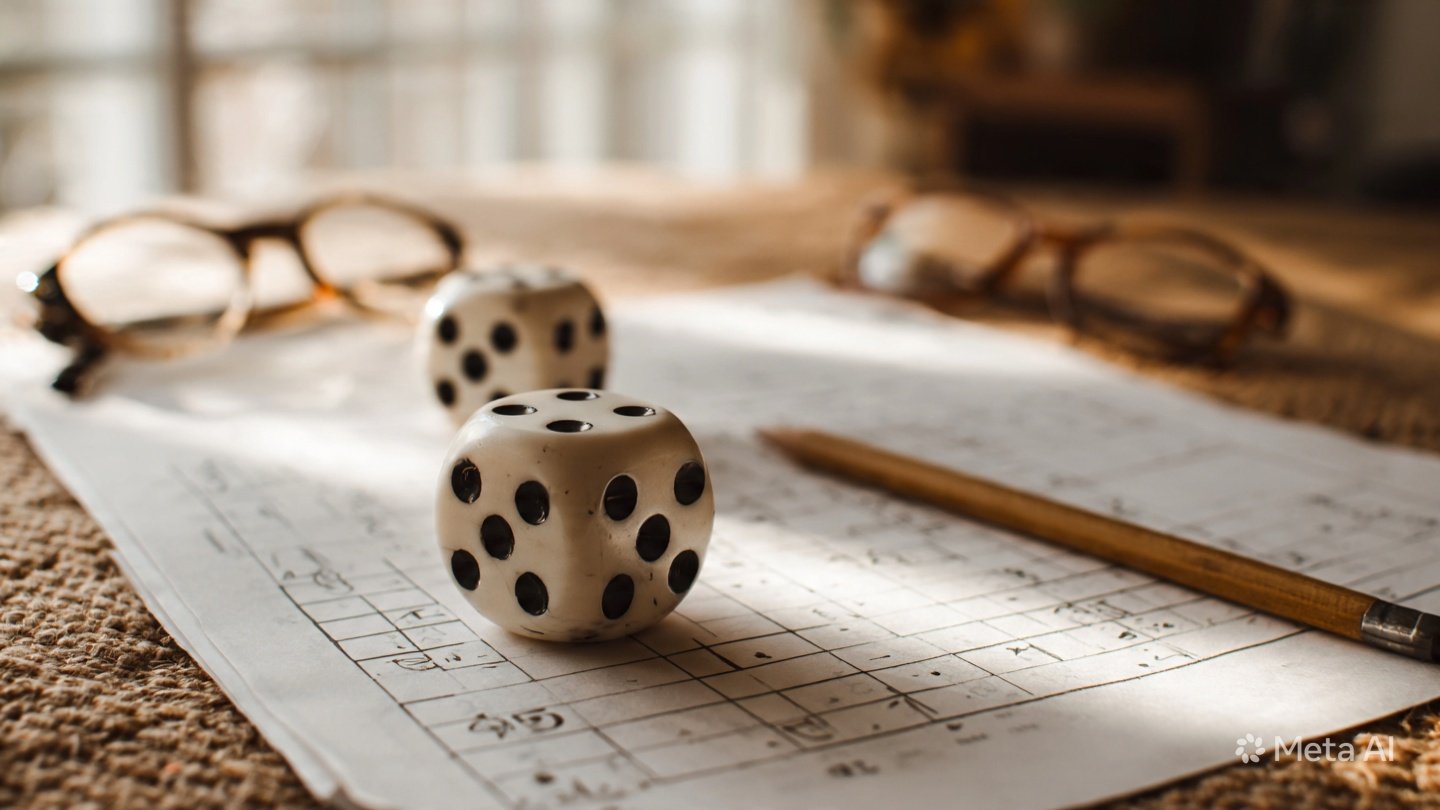
Permainan dadu untuk warga senior sederhana, menyenangkan, dan mudah diatur. Mereka tidak membutuhkan peralatan mahal, papan rumit, atau instruksi panjang. Beberapa dadu, kertas, pensil, dan meja yang nyaman cukup untuk menciptakan aktivitas menyenangkan bagi para senior di rumah, di pusat komunitas, rumah perawatan, klub senior, atau pertemuan keluarga.
Permainan dadu dapat sangat membantu bagi orang tua karena mereka mendukung interaksi sosial, memori, pengakuan nomor, fokus, keputusan ringan, dan percakapan yang ramah. Permainan terbaik untuk senior harus memiliki aturan yang jelas, mencetak mudah, putaran pendek, dan kecepatan santai.
Panduan ini saham senior-ramah permainan dadu yang sederhana untuk belajar, mudah untuk mengulangi, dan cocok untuk tingkat kemampuan yang berbeda.
Kenapa permainan dadu bagus untuk warga senior
Permainan dadu sangat berguna karena mereka menggabungkan hubungan sosial yang menyenangkan, dan aktivitas mental yang lembut. Mereka dapat dimainkan santai tanpa tekanan, yang membuat mereka cocok untuk senior yang ingin hiburan tanpa aturan yang rumit.
| Keuntungan | Bagaimana Busana Bantuan Senior |
|---|---|
| Interaksi sosial | Mendorong berbicara, tertawa, dan kelompok bermain |
| Dukungan memori | Pemain ingat giliran, skor, dan aturan sederhana |
| Nomor latihan | Dice melibatkan penghitungan dan penambahan |
| Aktivitas biaya rendah | Hanya dadu dan kertas yang dibutuhkan |
| Permainan Fleksibel | Permainan bisa pendek atau lebih lama |
| Pengaturan mudah | Tidak ada papan atau peralatan kompleks yang diperlukan |
| Fokus lembut | Membantu perhatian tanpa tekanan tinggi |
| Ikatan keluarga | Senior bisa bermain dengan anak-anak dan orang dewasa |
Tujuannya bukan hanya menang. Tujuan utama adalah kenikmatan, hubungan, dan menjaga pikiran dengan lembut aktif.
Penyiapan Game-Friendly
Sebelum mulai, buat area ini nyaman.
| Tip Penyiapan | Mengapa Membantu |
|---|---|
| Gunakan dadu besar | Lebih mudah untuk melihat dan memegang |
| Gunakan lembar skor tebal | Membantu pemain membaca skor dengan jelas |
| Jauhkan putaran pendek | Reduces lelah |
| Gunakan aturan sederhana | Avoid confusion |
| Putar di meja | Membuat bergulir dan menulis lebih mudah |
| Gunakan nampan dadu | Menjaga dadu dari bergulir pergi |
| Bicara aturan perlahan-lahan | Membantu semua orang mengikuti |
| Ijinkan bantuan dengan mencetak angka | Menjaga permainan santai |
Besar busa dadu atau dadu besar sangat berguna bagi senior dengan visi atau gerakan kesulitan tangan.
Permainan Picker Cepat untuk Senior
| Permainan | Terbaik Untuk | Dice Diperlukan | Waktu |
|---|---|---|---|
| Gulung dan Tambah | Penata angka sederhana | 2 | 5-10 menit |
| Pergi ke Boston | Mudah bergulir dan menambahkan | 3 | 10 menit |
| Beruntung 50 | Permainan skor yang bersahabat | 2 | 10-15 menit |
| Dice Bingo | Kelompok menyenangkan dan pengakuan angka | 2 | 10-15 menit |
| Gulungan Memori | Praktek memori lembut | 3 | 5-10 menit |
| Dice Cerita | Percakapan dan kreativitas | 1 | 10-15 menit |
| Race Skor Tim | Aktivitas tim sosial | 2 | 15 menit |
| Kertas Tutup kotaknya | Kombinasi angka | 2 | 10-15 menit |
| Gulung dan Berbagi | Percakapan icebreaker | 1 | 5-10 menit |
| Gulungan Pola | Fokus dan observasi | 1 | 5-10 menit |
1. Gulung dan Tambah
Roll dan Add adalah salah satu permainan dadu termudah untuk warga senior. Hal ini sederhana, tenang, dan baik untuk praktek nomor cahaya.
Terbaik untuk: Pemula
Players: 2 atau lebih
Dice dibutuhkan: 2 dadu
Waktu: 5 sampai 10 menit
Keahlian utama: Alamat dan pencatatan angka
Cara bermain
- Setiap pemain melempar dua dadu.
- Tambahkan dua angka.
- Tulis total pada lembar skor.
- Play 5 putaran.
- Total tertinggi menang.
Contoh skor penuh
| Pemutar | Ronde 1 | Ronde 2 | Ronde 3 | Ronde 4 | Ronde 5 | Total |
|---|---|---|---|---|---|---|
| Mary | 7 | 8 | 5 | 10 | 6 | 36 |
| John | 6 | 9 | 7 | 4 | 8 | 34 |
| Anna | 8 | 6 | 9 | 5 | 7 | 35 |
| Peter | 5 | 10 | 6 | 8 | 6 | 35 |
Tip bersahabat:
Gunakan lembar skor yang besar sehingga semua orang dapat melihat total jelas.
Pergi ke Boston
Pergi ke Boston adalah permainan dadu sederhana di mana pemain menjaga tertinggi mati dari setiap gulungan.
Terbaik untuk: Keluarga mudah atau kelompok senior bermain
Players: 2 atau lebih
Dice dibutuhkan: 3 dadu
Waktu: 10 menit
Keahlian utama: Perbandingan alamat dan nomor
Cara bermain
- Gulung tiga dadu.
- Jauhkan tertinggi mati.
- Gulung sisa dua dadu.
- Menjaga tertinggi mati lagi.
- Gulung dadu terakhir.
- Tambahkan ketiga terus dadu.
- Skor tertinggi memenangkan ronde ini.
Contoh putaran
| Langkah | Dice Rolled | Disimpan Mati |
|---|---|---|
| Gulungan pertama | 2, 5, 6 | 6 |
| Putaran kedua | 3, 4 | 4 |
| Gulungan ketiga | 2 | 2 |
| Skor akhir | 6 + 4 + 2 | 12 |
Mengapa hal itu bekerja untuk para senior:
Aturan tetap sama setiap giliran, sehingga mudah untuk diingat.
Beruntungnya 50.
Beruntung 50 adalah target permainan dadu skor yang mudah untuk diikuti.
Terbaik untuk: Relaxed group play
Players: 2 sampai 6
Dice dibutuhkan: 2 dadu
Waktu: 10 sampai 15 menit
Keahlian utama: Alamat dan putar-putar
Cara bermain
- Setiap pemain dimulai pada 0.
- Pada giliranmu, melempar dua dadu.
- Tambahkan total untuk skor Anda.
- Pemain pertama yang mencapai 50 menang.
Contoh
| Pemutar | Nilai Kini | Dice Roll | Nilai Baru |
|---|---|---|---|
| Mary | 34 | 4 dan 5 | 43 |
| John | 39 | 2 dan 6 | 47 |
| Anna | 41 | 3 dan 3 | 47 |
Versi mudah:
Gunakan satu mati dan bermain ke 25.
Versi relax:
Jangan terlalu fokus pada kemenangan. Biarkan pemain menikmati perkembangan skor.
Dice Bingo
Dice Bingo sangat baik untuk kelompok senior karena akrab, sederhana, dan sosial.
Terbaik untuk: Klub Senior dan rumah perawatan
Players: 2 atau lebih
Dice dibutuhkan: 2 dadu
Waktu: 10 sampai 15 menit
Keahlian utama: Pengenalan angka
Cara bermain
- Setiap pemain menarik grid 3 x 3.
- Isi grid dengan angka dari 2 sampai 12.
- Seorang pemimpin melempar dua dadu.
- Pemain menambahkan total.
- Jika total muncul di grid mereka, mereka menyeberang keluar.
- Pemain pertama untuk mencoret tiga angka berturut-turut menang.
Contoh kartu bingo
| 2 | 7 | 10 |
|---|---|---|
| 5 | 8 | 12 |
| 3 | 6 | 9 |
Tip bersahabat:
Gunakan lembar bingo besar daripada meminta semua orang untuk menggambar kisi mereka sendiri.
Gulungan Ingatan
Memori Roll adalah aktivitas memori lembut menggunakan dadu.
Terbaik untuk: Praktek memori ringan
Players: 1 atau lebih
Dice dibutuhkan: 3 dadu
Waktu: 5 sampai 10 menit
Keahlian utama: Memori dan fokus
Cara bermain
- Gulung tiga dadu.
- Biarkan semua orang melihat dadu selama 5 detik.
- Menutupi dadu dengan cangkir atau kertas.
- Pemain mengatakan atau menulis nomor yang mereka ingat.
- Ulangi untuk beberapa putaran.
Contoh penuh
| Round | Dice Shown | Jawaban Pemutar | Benar? |
|---|---|---|---|
| 1 | 2, 4, 6 | 2, 4, 6 | Ya |
| 2 | 1, 3, 5 | 1, 5, 3 | Ya |
| 3 | 2, 2, 6 | 2, 6, 2 | Ya |
| 4 | 4, 5, 6 | 4, 6, 3 | Tidak |
Versi lembut:
Gunakan hanya dua dadu jika tiga dadu merasa sulit.
6 Kisah Dice untuk Senior
Dice Cerita adalah percakapan berbasis permainan. Ini mendorong berbagi, imajinasi, dan kenangan.
Terbaik untuk: Kelompok sosial dan keluarga kunjungan
Players: 2 atau lebih
Dice dibutuhkan: 1 mati
Waktu: 10 sampai 15 menit
Keahlian utama: Percakapan dan kreativitas
Cara bermain
- Roll satu mati.
- Jawab prompt cerita yang cocok.
- Pemain lain bisa mengajukan satu pertanyaan.
| Dice Roll | Prompt Cerita |
|---|---|
| 1 | Berbagi permainan masa kecil favorit |
| 2 | Bicara tentang tempat Anda menikmati mengunjungi |
| 3 | Berbagi memori keluarga bahagia |
| 4 | Bicara tentang makanan favorit Anda |
| 5 | Berbagi keterampilan Anda belajar dalam hidup |
| 6 | Talk about a favorite song or movie |
Contoh:
Jika pemain gulungan 3, mereka berbagi memori keluarga bahagia.
Tip bersahabat:
Jaga nada hangat dan opsional. Pemain tidak harus merasa dipaksa untuk berbagi cerita pribadi.
Tim tim race
Tim Skor Race bagus untuk kelompok senior karena pemain bisa bekerja sama bukannya bersaing sendirian.
Terbaik untuk: Pusat komunitas dan kegiatan grup
Players: 4 atau lebih
Dice dibutuhkan: 2 dadu
Waktu: 15 menit
Keahlian utama: Kerja tim dan tambahan
Cara bermain
- Bagi pemain menjadi dua tim.
- Setiap tim memilih penjaga angka.
- Pemain bergantian bergulir dua dadu.
- Tambahkan setiap roll ke skor tim.
- Tim pertama yang mencapai 100 menang.
Contoh skor tim penuh
| Round | Nilai A Tim | Skor Tim B |
|---|---|---|
| 1 | 8 | 10 |
| 2 | 17 | 18 |
| 3 | 28 | 26 |
| 4 | 39 | 37 |
| 5 | 51 | 49 |
Mengapa itu bekerja:
Tim bermain mengurangi tekanan dan mendorong percakapan.
8, kertas, tutup kotaknya.
Kertas Tutup kotaknya adalah permainan kombinasi angka sederhana. Bisa dimainkan tanpa papan kayu.
Terbaik untuk: Senior yang menikmati jumlah teka-teki
Players: 1 atau lebih
Dice dibutuhkan: 2 dadu
Waktu: 10 sampai 15 menit
Keahlian utama: Kombinasi alamat
Cara bermain
- Tulis nomor 1 sampai 9 di atas kertas.
- Gulung dua dadu.
- Tambahkan totalnya.
- Silangkan satu angka atau kombinasi yang sama dengan total.
- Jauhkan bergulir sampai tidak ada nomor yang cocok tersedia.
- Tambahkan angka-angka yang tersisa.
- Skor terendah menang.
Pilihan contoh
| Dice Total | Kemungkinan Nomor untuk Dicoret |
|---|---|
| 5 | 5, atau 2 + 3, atau 1 + 4 |
| 6 | 6, atau 1 + 5, atau 2 + 4 |
| 7 | 7, atau 1 + 6, atau 2 + 5, atau 3 + 4 |
| 8 | 8, atau 1 + 7, atau 2 + 6, atau 3 + 5 |
| 9 | 9, atau 1 + 8, atau 2 + 7, atau 3 + 6, atau 4 + 5 |
Versi mudah:
Gunakan nomor 1 sampai 6 saja.
9.
Roll dan Share adalah permainan pemecah es yang lembut untuk para senior.
Terbaik untuk: Grup baru atau sesi sosial
Players: Ukuran grup apapun
Dice dibutuhkan: 1 mati
Waktu: 5 sampai 10 menit
Keahlian utama: Koneksi sosial
| Dice Roll | Membagi Prompt |
|---|---|
| 1 | Berbagi warna favorit Anda |
| 2 | Berbagi makanan favorit |
| 3 | Berbagi hobi Anda menikmati |
| 4 | Berbagi tempat yang Anda suka |
| 5 | Berbagi musim favorit |
| 6 | Berbagi satu hal yang membuat Anda tersenyum |
Cara bermain
- Seorang pemain melempar satu mati.
- Mereka menjawab prompt yang cocok.
- Pemain berikutnya mengambil giliran.
- Lanjutkan sampai semua orang telah berbagi.
Tip:
Permainan ini ideal sebelum aktivitas yang lebih lama karena membantu semua orang merasa nyaman.
10 Pattern Roll
Pattern Roll membantu observasi dan fokus.
Terbaik untuk: Aktivitas otak lembut
Players: 1 atau lebih
Dice dibutuhkan: 1 mati
Waktu: 5 sampai 10 menit
Keahlian utama: Pengenalan fokus dan pola
Cara bermain
- Roll satu mati lima kali.
- Tuliskan setiap hasil.
- Cari pengulangan atau pola.
- Tanyakan nomor mana yang sering muncul.
Contoh penuh
| Urutan Gulung | Nomor Rolled |
|---|---|
| 1 | 2 |
| 2 | 5 |
| 3 | 2 |
| 4 | 6 |
| 5 | 2 |
Pertanyaan: Nomor mana yang sering muncul?
Jawaban: 2 muncul tiga kali.
Best Dice Games untuk Senior dengan Pengaturan
| Tatanan | Permainan Terbaik |
|---|---|
| Pusat Senior | Dice Bingo |
| Kunjungan keluarga | Dice Cerita |
| Perawatan aktivitas rumah | Gulung dan Berbagi |
| Kelompok kecil | Pergi ke Boston |
| Satu-satu-satu aktivitas | Gulungan Memori |
| Nomor latihan | Kertas Tutup kotaknya |
| Malam permainan sosial | Race Skor Tim |
| Aktivitas cepat | Gulung dan Tambah |
Aksesibilitas Tips untuk Dice Games Senior
| Perlu | Adjustment Bantuan |
|---|---|
| Visi rendah | Gunakan dadu besar dan lembar skor berani |
| Berat tangan | Gunakan cangkir dadu atau busa dadu lebih besar |
| Dukungan memori | Jaga aturan yang terlihat di atas kertas |
| Mendengar kesulitan | Tulis instruksi dengan jelas |
| Kebodohan | Gunakan putaran pendek |
| Kebingungan | Tunjukkan satu putaran pertama |
| Percaya diri rendah | Gunakan tim bermain bukan kompetisi solo |
Tips for Caregivers and Activity Leader
- Pilih permainan sederhana dulu.
- Jelaskan aturan perlahan-lahan.
- Tunjukkan satu contoh putaran.
- Jauhkan skor terlihat.
- Izinkan bantuan menambahkan skor.
- Gunakan dadu yang lebih besar bila memungkinkan.
- Fokus pada kenikmatan, bukan tekanan.
- Biarkan pemain melewatkan prompt berbagi jika mereka lebih suka.
- Menjaga sesi pendek dan positif.
- Pujilah partisipasi dan bermain adil.
Kesalahan Umum untuk Hindari
| Kesalahan | Pilihan yang lebih baik |
|---|---|
| Aturan terlalu rumit | Gunakan permainan sederhana |
| Dadu kecil sulit untuk melihat | Gunakan dadu besar |
| Permainan panjang menyebabkan kelelahan | Putar putaran pendek |
| Terlalu banyak fokus pada kemenangan | Fokus pada kesenangan sosial |
| Penjelasan cepat | Tunjukkan perlahan-lahan |
| Lembar skor kecil | Gunakan cetakan besar |
| Tidak ada nampan dadu | Gunakan mangkuk, nampan, atau cangkir |
FAQ Tentang Permainan Dice untuk Warga Senior
Apakah permainan dadu baik untuk warga senior?
Ya. Permainan dadu dapat mendukung interaksi sosial, latihan memori ringan, menghitung, fokus, dan hiburan ramah.
Apa permainan dadu termudah bagi para senior?
Roll dan Add adalah salah satu permainan dadu termudah untuk senior karena hanya membutuhkan rolling, adding, dan menulis skor.
Permainan dadu apa yang bagus untuk kelompok senior?
Dice Bingo, Tim Score Race, Roll and Share, Pergi ke Boston, dan Story Dice bagus untuk kelompok senior.
Bisakah senior dengan pandangan rendah memainkan permainan dadu?
Ya. Gunakan dadu besar, lembar skor berani, pencahayaan kuat, dan instruksi yang jelas.
Apakah permainan dadu baik untuk praktek memori?
Permainan sederhana seperti Memory Roll, Pattern Roll, dan Dice Story dapat mendukung memori lembut dan fokus praktek.
Apakah senior membutuhkan dadu khusus?
Tidak selalu, tapi busa besar atau dadu besar membantu untuk visibilitas dan pegangan.
Berapa lama sesi permainan dadu senior?
Sesi pendek 10 sampai 20 menit sering bekerja terbaik. Sesi lebih lama bisa termasuk istirahat.
Pikiran Akhir
Permainan dadu untuk warga senior sederhana, sosial, dan menyenangkan. Mereka dapat menyatukan orang, mendukung aktivitas mental yang lembut, dan menciptakan saat-saat santai yang menyenangkan. Dengan hanya dadu, kertas, dan pensil, senior dapat menikmati permainan yang mudah untuk memahami dan mudah untuk diulang.
Mulailah dengan Roll and Add, Pergi ke Boston, atau Dice Bingo untuk grup bermain sederhana. Gunakan Buku Cerita dan Gulungan dan Berbagi untuk percakapan. Coba Memori Roll atau Pola Roll untuk aktivitas fokus lembut.
Permainan dadu senior terbaik jelas, nyaman, dan rendah tekanan. Peraturannya sederhana, gunakan material besar saat dibutuhkan, dan fokus pada koneksi sebanyak mencetak angka.
Catatan: Artikel ini hanya untuk pendidikan, rekreasi, dan tujuan hiburan saja. Ini tidak mempromosikan taruhan, kasino bermain, kecurangan, dadu dimuat, atau real-uang perjudian.


