


Dice games have evolved tremendously over the centuries. What started as simple chance-based activities have transformed into complex strategic experiences that challenge players mentally and socially. Advanced dice game variations offer depth, creativity, and endless replayability that appeal to both casual players and serious game enthusiasts.
This comprehensive guide explores sophisticated dice game variations that go beyond basic rolling mechanics. Whether you’re a tabletop gaming enthusiast, a family looking for challenging entertainment, or an educator seeking engaging learning tools, these advanced variations will broaden your gaming horizons.
Understanding Advanced Dice Mechanics
Before diving into specific variations, let’s explore what makes a dice game “advanced.” Advanced games typically incorporate multiple layers of decision-making, strategic planning, and complex scoring systems that require more than simple luck.
Multiple Dice Types
Advanced variations often use different types of dice beyond the standard six-sided cube. You might encounter eight-sided dice, ten-sided dice, twelve-sided dice, or even twenty-sided dice. Each type creates unique probability ranges and strategic possibilities.
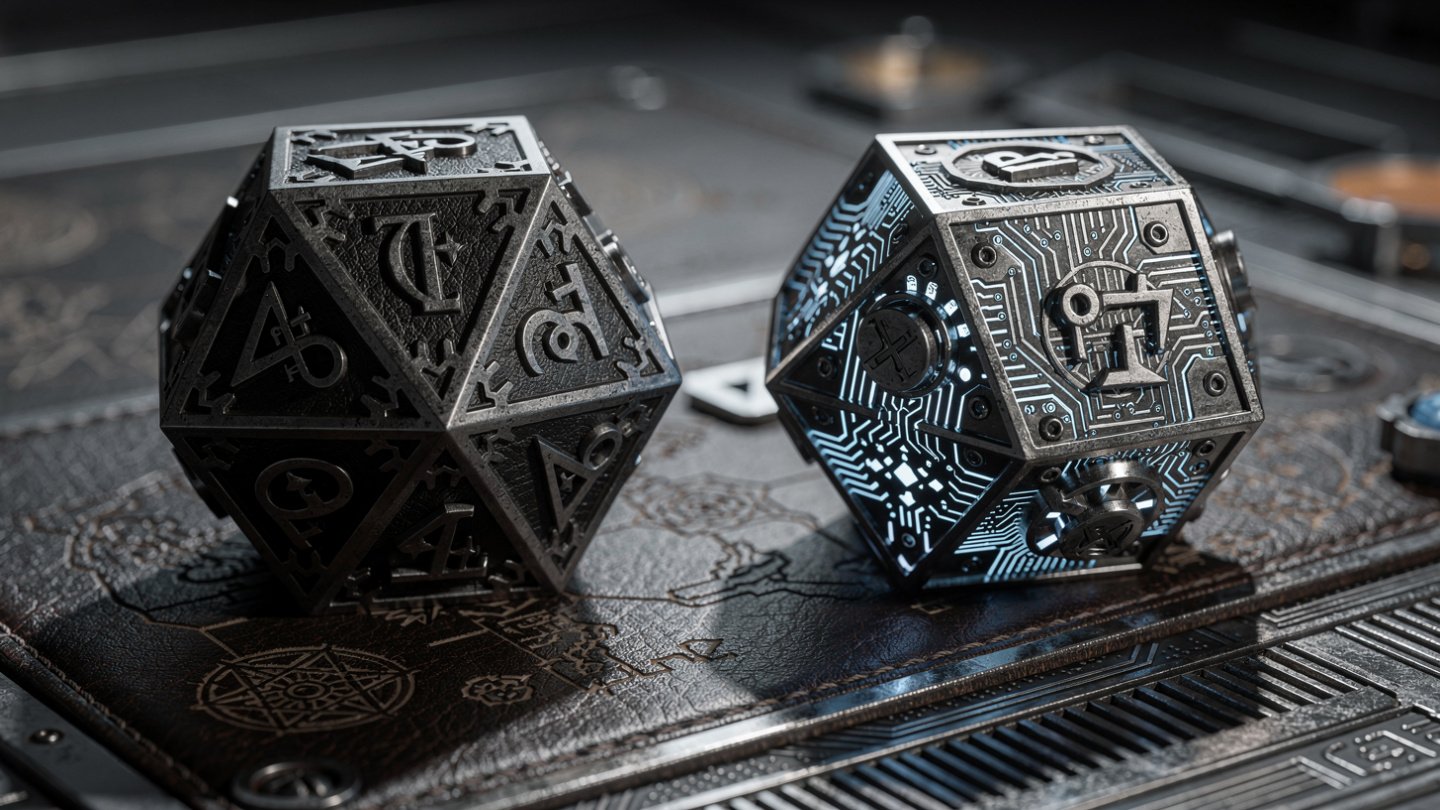
Some games use custom dice with symbols, colors, or words instead of numbers. These specialized dice enable themed gameplay experiences and introduce visual recognition elements alongside numerical calculations.
Conditional Outcomes
Rather than accepting every roll at face value, advanced games implement conditional rules. You might reroll certain dice based on specific conditions, lock in favorable results while rerolling others, or combine dice in particular ways to achieve special effects.
These conditional mechanics transform passive rolling into active decision-making. Players must evaluate probabilities, assess risk versus reward, and plan several moves ahead.
Resource Management
Many advanced dice variations incorporate resource management elements. Dice rolls might generate resources that players collect, spend, and strategically allocate throughout the game. This adds an economic layer to the traditional rolling mechanics.
Resource management creates tension between immediate gratification and long-term planning. Should you spend resources now for a small advantage or save them for a bigger opportunity later?
Popular Advanced Dice Game Variations
Let’s examine specific advanced variations that have captivated players worldwide. These games demonstrate how creative rule modifications can transform simple dice into sophisticated gaming experiences.
Strategic Rerolling Games
This category focuses on giving players multiple chances to achieve desired combinations, but with strategic limitations.
In these games, players typically roll a set number of dice, select which ones to keep, and reroll the remainder. This process repeats for a limited number of turns. The strategy lies in recognizing valuable patterns and knowing when to stop rerolling versus pushing for better results.
The scoring system usually rewards specific combinations like runs, multiples, or mathematical patterns. Players must balance going for high-scoring rare combinations versus securing moderate scores more reliably.
Advanced versions introduce scoring categories that can only be used once per game, forcing players to make tough decisions about timing and opportunity cost. This creates a narrative arc where early game decisions impact late game possibilities.
Dice Drafting Variations
Dice drafting games introduce a communal element where multiple players select from a shared pool of rolled dice.
The basic mechanic involves rolling multiple dice into a central area. Players take turns selecting individual dice or small groups to add to their personal collection. The strategy emerges from reading opponents’ needs, blocking beneficial picks, and optimizing your own selections.
Advanced drafting games add layers like special abilities triggered by specific dice values, combo systems that reward collecting matching sets, or positioning mechanics where dice placement matters as much as dice values.
Some variations incorporate a snake draft format where pick order reverses each round, ensuring no player has a consistent advantage or disadvantage in selection priority.
Push Your Luck Dice Games
Push your luck mechanics create thrilling tension as players decide how far to extend their turn before stopping.
The core concept involves rolling dice to accumulate points or resources. However, certain roll results can eliminate your progress for that turn. Players must decide whether to stop and bank their current score or risk another roll for potentially greater rewards.
Advanced versions add strategic depth through partial banking options, insurance mechanics that protect against certain failure conditions, or escalating rewards that increase with each successful roll.
The psychological aspect becomes fascinating as players battle their own risk tolerance, read opponent positions to gauge necessary risks, and manage the emotional rollercoaster of near-misses and successful pushes.
Dice Building Games
Inspired by deck-building concepts, dice building games let players upgrade and customize their dice pool throughout gameplay.
Players start with a basic set of dice and use their rolls to acquire better dice, remove weak dice, or add special ability dice to their collection. This progression system creates satisfying growth and personalization.
Strategic considerations include balancing probability distributions, pursuing synergistic dice combinations, and timing upgrades to match game phase requirements.
Advanced versions introduce dice with multiple faces showing the same result to increase consistency, or special dice that modify other dice results, creating combo potential.
Educational Applications of Advanced Dice Variations
Advanced dice games offer remarkable educational value across multiple subjects and age groups. Educators and parents can leverage these variations to make learning engaging and memorable.
Mathematics and Probability
Advanced dice games provide hands-on probability education. Players naturally internalize concepts like expected value, odds calculation, and statistical distribution through repeated gameplay.
Games requiring addition of multiple dice strengthen mental math skills. Variations using multiplication or more complex calculations challenge older students while keeping them engaged through competitive gameplay.
Probability analysis becomes intuitive as players recognize that rolling a seven with two six-sided dice happens more frequently than rolling a two. This experiential learning often proves more effective than textbook instruction.
Strategic Thinking Development
Advanced variations cultivate strategic thinking by presenting meaningful choices with uncertain outcomes. Players learn to evaluate multiple options, predict opponent actions, and adapt strategies based on changing circumstances.
The decision trees in complex dice games mirror real-world strategic situations where perfect information is unavailable and risk management is essential. These transferable skills benefit academic performance and life decision-making.
Pattern recognition abilities develop as players identify optimal dice combinations and scoring opportunities. This visual-spatial reasoning supports learning in mathematics, science, and engineering fields.
Social and Communication Skills
Multiplayer dice games require clear communication, rule interpretation, and social negotiation. Players develop verbal skills explaining their strategies, asking clarifying questions, and resolving disputes diplomatically.
Advanced games with trading or negotiation elements strengthen persuasion abilities and perspective-taking. Understanding what opponents value and crafting mutually beneficial exchanges are valuable interpersonal skills.
Emotional regulation improves as players experience the ups and downs of chance-based outcomes. Learning to handle disappointment gracefully and celebrate success modestly are important character developments.
Creating Your Own Advanced Dice Variations
The beauty of dice games lies in their modifiability. With creativity and playtesting, you can design custom variations tailored to your group’s preferences and skill levels.
Start with a Foundation
Begin by selecting a basic dice mechanic you enjoy. This could be rolling for highest total, matching specific combinations, or accumulating resources over multiple turns. This foundation provides structure for your modifications.
Consider what aspects you want to emphasize. Do you prefer strategic depth, social interaction, quick gameplay, or thematic immersion? Your design priorities will guide modification decisions.
Layer in Complexity Gradually
Avoid overwhelming players by introducing too many rules simultaneously. Add one new mechanic at a time, playtest thoroughly, and ensure it enhances rather than confuses the experience.
Common complexity additions include special abilities triggered by specific rolls, variable player powers that create asymmetric gameplay, or phase-based structures where rules change as the game progresses.
Balance Luck and Skill
The ideal advanced dice game balances chance and strategy. Pure luck becomes boring for experienced players, while eliminating randomness removes the excitement dice provide.
Introduce decision points that let skilled players maximize favorable outcomes and minimize poor rolls. Reroll mechanics, dice selection, and conditional scoring all increase the skill ceiling while preserving uncertainty.
Playtest and Iterate
No game design succeeds without playtesting. Gather players of varying experience levels and observe how they interact with your rules. Note confusion points, dominant strategies, and pacing issues.
Be willing to modify or remove mechanics that don’t work. Sometimes the most elegant design comes from simplifying rather than adding complexity. Each rule should serve a clear purpose and enhance player enjoyment.
Advanced Variations for Different Group Sizes
Group size significantly impacts game dynamics. Here’s how to adapt advanced dice variations for different player counts.
Solo Variations
Solo dice games focus on score optimization or challenge completion. Players attempt to beat personal records, achieve specific scoring thresholds, or complete objectives within limited turns.
Advanced solo variations often incorporate campaign elements where game sessions connect into longer narratives. Dice results might unlock new abilities, reveal story elements, or modify future game conditions.
Puzzle-style solo games present specific dice configurations that must be manipulated according to complex rules to reach a goal state. These variations emphasize logical thinking over chance management.
Two Player Competitive Games
Head-to-head dice games create direct competition where opponent actions significantly impact your strategy. Blocking mechanics, where selecting certain dice or options denies them to opponents, intensify the competitive atmosphere.
Advanced two-player variations might use simultaneous action selection where both players secretly choose strategies before revealing and resolving results. This adds psychological elements of prediction and deception.
Racing formats where players pursue parallel goals but compete for speed create exciting climactic moments as lead changes occur with dramatic rolls.
Large Group Games
Games accommodating many players need mechanics that prevent excessive downtime. Simultaneous rolling where everyone acts at once maintains engagement and reduces waiting.
Team-based variations divide players into groups that collaborate on strategy while competing against other teams. This combines cooperative and competitive elements while managing large player counts effectively.
Progressive elimination formats can work for casual large groups, though they risk leaving players sitting out. Consider resurrection mechanics that let eliminated players rejoin under certain conditions.
Tips for Mastering Advanced Dice Games
Improving at advanced dice variations requires more than luck. These tips will help you make better decisions and enjoy deeper strategic gameplay.
Understand the Probabilities
Learn the odds of different dice outcomes. Knowing that rolling at least one six with three six-sided dice has roughly 42% probability helps you make informed risk assessments.
You don’t need complex mathematics. Simply recognizing which outcomes are common versus rare guides whether to pursue risky high-reward strategies or reliable moderate-reward approaches.
Observe Opponent Patterns
Watch how opponents make decisions. Do they take excessive risks or play conservatively? Understanding their tendencies helps you predict actions and adjust your strategy accordingly.
In games with blocking or denial mechanics, identifying what opponents need lets you strategically prevent their progress while advancing your own position.
Manage Your Risk Tolerance
Different game situations warrant different risk levels. When leading, conservative play protects your advantage. When trailing, calculated risks become necessary to catch up.
Avoid emotional decisions after lucky or unlucky streaks. The dice have no memory, and previous results don’t influence future rolls. Base each decision on current game state and probabilities.
Practice Pattern Recognition
Experienced players quickly spot valuable dice combinations and scoring opportunities. This skill develops through repeated play and conscious attention to possibilities.
During opponent turns, mentally evaluate what you would do with their dice. This practice strengthens your pattern recognition while keeping you engaged during downtime.
Adapt to Game Flow
Rigid strategies rarely succeed in dynamic dice games. Remain flexible and adjust your approach based on dice results, opponent actions, and remaining opportunities.
The best players maintain multiple viable paths to victory and pivot between them as circumstances change. Don’t become so committed to one strategy that you miss better alternatives.
Common Mistakes in Advanced Dice Games
Even experienced players make errors that diminish their performance. Recognizing these common mistakes helps you avoid them.
Overvaluing Rare Outcomes
Chasing extremely unlikely results wastes turns and resources. While spectacular combinations feel rewarding, consistent moderate success typically outperforms occasional spectacular failure punctuated by rare successes.
Calculate whether pursuing a difficult combination offers sufficient reward to justify the low probability. Often, reliable medium-value options generate better overall results.
Ignoring Opponent Positions
Focusing exclusively on your own dice and scores causes you to miss important game state information. Opponent positions should influence your strategy selection and risk tolerance.
In close games, knowing exactly what opponents need to win helps you make crucial blocking decisions or recognize when you must take risks to remain competitive.
Poor Resource Management
Games with limited rerolls, special abilities, or one-time-use scoring categories require careful resource planning. Using powerful options too early or hoarding them too long both create disadvantages.
Develop a sense of game pacing to recognize optimal timing for resource expenditure. Generally, resources unused at game end represent wasted opportunities.
Analysis Paralysis
Overthinking decisions slows gameplay and often fails to improve outcomes significantly. While thoughtful play benefits performance, excessive deliberation frustrates other players and diminishes enjoyment.
Set personal time limits for decisions. Most advanced dice game choices involve uncertainty anyway, so perfect analysis is impossible. Make the best decision you can within reasonable time and accept the outcome.
The Social Aspect of Advanced Dice Gaming
Beyond mechanics and strategy, advanced dice games create memorable social experiences that strengthen relationships and build communities.
Shared Experiences
Dramatic moments where unlikely dice rolls completely change game outcomes create shared stories that players remember and recount. These experiences bond groups and establish gaming traditions.
The emotional journey from hope to disappointment to unexpected victory mirrors life’s ups and downs in a safe, low-stakes environment. Processing these feelings together builds emotional connections.
Inclusive Entertainment
Dice games welcome players regardless of physical abilities, making them more inclusive than many activity options. The combination of luck and skill also levels the playing field between experienced and novice players better than pure strategy games.
Advanced variations maintain accessibility while offering depth, ensuring everyone can participate meaningfully regardless of gaming background.
Multigenerational Appeal
Well-designed dice games engage players across age ranges. Grandparents, parents, and children can compete on relatively equal footing, creating rare opportunities for multigenerational bonding.
The simple physical act of rolling dice appeals to young children, while the strategic depth satisfies adult players. This broad appeal makes dice games perfect for family gatherings.
Where to Find Advanced Dice Game Communities
Connecting with other enthusiasts enhances your enjoyment and exposes you to new variations and strategies.
Online forums dedicated to tabletop gaming host discussions about dice game strategies, custom variations, and rule clarifications. These communities welcome questions and share extensive collective knowledge.
Local game stores often host regular gaming events where you can meet players, try new games, and participate in friendly competitions. These in-person connections often develop into lasting gaming groups.
Social media groups focused on specific games or general dice gaming provide spaces to share experiences, ask questions, and discover new variations. Many designers actively participate in these communities, offering insights into their creative processes.
Conclusion
Advanced dice game variations transform simple cubes into sophisticated strategic experiences. By incorporating complex mechanics, meaningful decisions, and engaging social dynamics, these games offer depth that rewards repeated play and skill development.
Whether you’re exploring existing advanced variations, creating custom rules, or mastering strategic concepts, the world of advanced dice gaming provides endless entertainment and learning opportunities. The combination of chance and skill creates exciting uncertainty while rewarding thoughtful play.
These games bring people together, create memorable moments, and exercise our minds in enjoyable ways. From educational applications to competitive challenges to casual family fun, advanced dice variations prove that sometimes the simplest components create the richest experiences.
Grab some dice, gather some friends, and explore the fascinating world of advanced dice gaming. You’ll discover that these humble randomizers offer far more depth and enjoyment than you ever imagined.
If you enjoyed this article, please share it with fellow gaming enthusiasts, educators, or anyone who appreciates strategic entertainment. Leave a comment below sharing your favorite advanced dice variation or a creative rule modification you’ve tried. Let’s build a community of dice game enthusiasts who appreciate these timeless sources of fun and challenge.


