


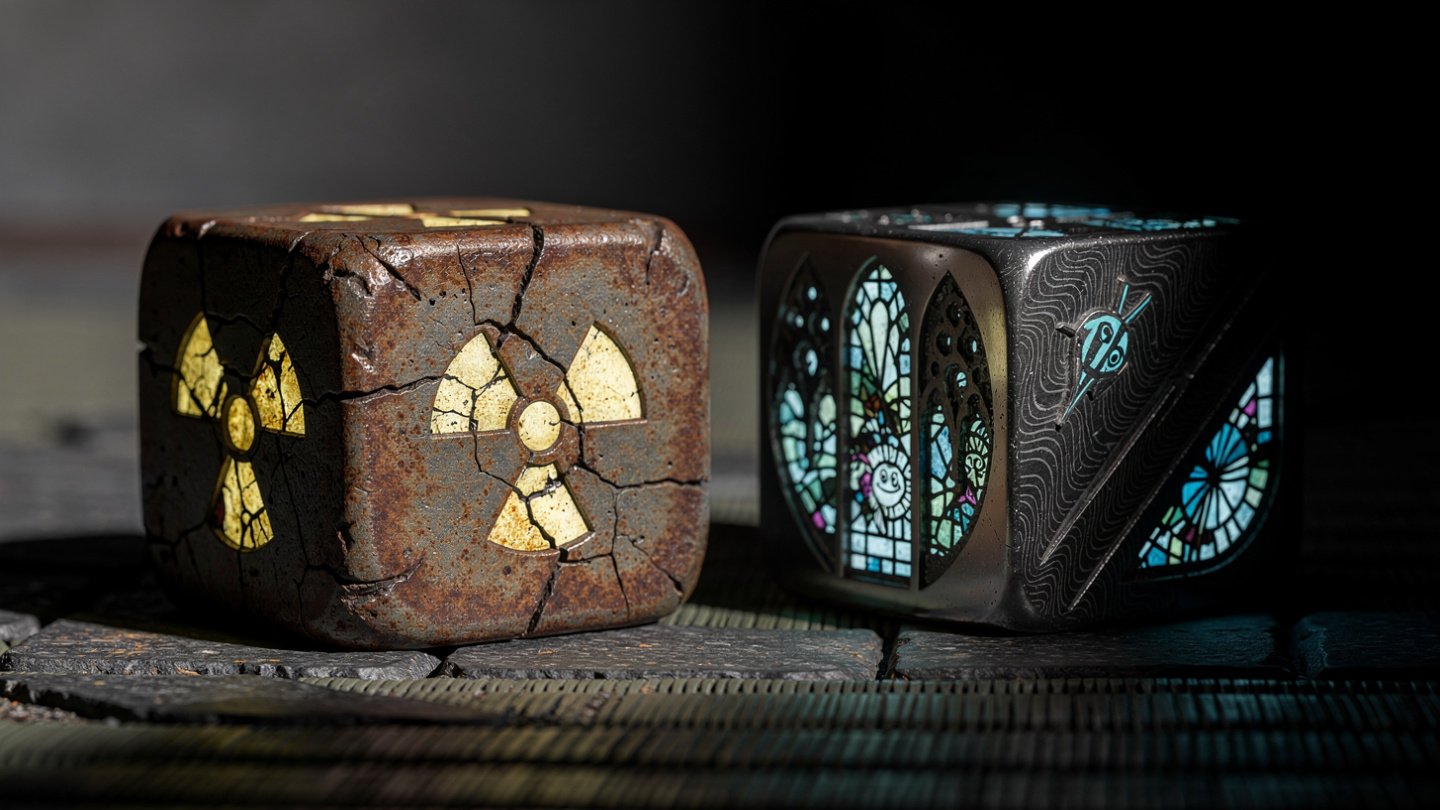
Yahtzee has entertained families worldwide for over seven decades. This classic dice game combines luck, strategy, and simple mathematics in a way that appeals to players of all ages. What many people don’t realize is that numerous exciting variations exist beyond the traditional version, each offering unique twists and challenges.
This comprehensive guide explores the fascinating world of Yahtzee variations, from the original game to creative adaptations that keep this beloved pastime fresh and engaging. Whether you’re a longtime fan or new to dice games, you’ll discover versions that match your interests and skill level.
The Original Yahtzee Game Explained
Before exploring variations, understanding the classic Yahtzee game provides essential context.
Edwin S. Lowe purchased the rights to Yahtzee in the 1950s and marketed it successfully to American families. The game quickly became a household staple, selling millions of copies worldwide.
Basic Yahtzee Rules
Players roll five dice up to three times per turn, trying to achieve specific combinations. After each roll, you can keep any dice you want and reroll the others.
The scorecard contains thirteen categories, and you must fill one category each turn. Categories include three of a kind, four of a kind, full house, small straight, large straight, and the coveted Yahtzee (five matching dice).
Each category scores differently. Number categories (ones through sixes) score the sum of matching dice. Combination categories have fixed point values or special scoring rules.
Why Yahtzee Became Popular
The game balances luck and decision-making perfectly. While you cannot control the dice, you decide which dice to keep and which category to fill.
Yahtzee plays quickly, typically finishing in 20 to 30 minutes. This makes it ideal for family game nights without requiring marathon sessions.
The rules are simple enough for children yet strategic enough to engage adults. This cross-generational appeal explains its enduring popularity.
Triple Yahtzee for Extended Play
Triple Yahtzee expands the original game by tripling the scoring opportunities.
How Triple Yahtzee Works
Instead of one scorecard, players use a sheet with three columns. You can score each combination in any of the three columns, but each specific category (like full house) can only appear once per column.
This variation extends gameplay significantly. Instead of thirteen turns, you play until filling all three columns.
Strategic Differences
Triple Yahtzee requires long-term planning. You must decide not just which category to fill, but which column to use.
Spreading high scores across columns maximizes bonuses. Each column awards a 35-point bonus if the upper section (ones through sixes) totals 63 or more.
The extended format reduces the impact of poor rolls early in the game. You have more opportunities to recover from bad luck.
Best For
This variation suits players who enjoy the original game but want longer sessions. It works well for lazy weekends or when you have extended time for gaming.
Experienced Yahtzee players appreciate the added strategic depth that multiple columns provide.
Yahtzee Free for All
This variation changes the competitive dynamics by allowing players to score on any turn.
The Unique Twist
Instead of taking separate turns, one player rolls while everyone watches. All players can score that roll on their own scorecards simultaneously.
After everyone has scored or passed, the dice pass to the next player, who rolls for the group.
Why This Works
Yahtzee Free for All eliminates downtime. Everyone stays engaged throughout the game because every roll matters to every player.
The variation emphasizes decision-making over dice-rolling luck. Everyone works with identical rolls, so victory depends entirely on strategic choices.
Social Dynamics
This version generates lively discussion as players debate the best use for each roll. You see different strategies in action simultaneously.
Games finish faster because players score simultaneously rather than sequentially.
Power Yahtzee with Special Abilities
Power Yahtzee adds action cards that give players special abilities during gameplay.
How Power Cards Work
Players receive power cards at the start of the game. These cards grant one-time abilities like rerolling all dice a fourth time, forcing opponents to reroll, or doubling a category’s score.
You can play one power card per turn, adding a tactical layer to the traditional game.
Popular Power Card Types
Reroll cards let you take an additional roll beyond the normal three. This helps when you’re close to a valuable combination.
Score booster cards double or add points to specific categories. Timing these correctly can swing the game in your final turns.
Defensive cards might protect your lead or force other players to use unfavorable rolls.
Strategy Considerations
Power Yahtzee rewards careful timing. Using powerful cards too early wastes their potential, while waiting too long risks never using them.
Players must balance traditional Yahtzee strategy with managing their special abilities.
Yahtzee Hands Down
This modern variation changes how you interact with dice between rolls.
The Physical Element
Instead of simply setting dice aside, you place kept dice under a small dome. This adds a tactile element that younger players especially enjoy.
The game includes a scorecard spinner that randomly determines your scoring category after you finish rolling.
How This Changes Gameplay
The random category assignment removes some strategic control. You cannot save easy categories for poor rolls.
This variation emphasizes achieving the best possible roll rather than scorecard management. The randomness factor levels the playing field between experienced and new players.
Appeal for Families
The unpredictability makes games more exciting. Even weak rolls might end up in categories where they score reasonably well.
The physical components and random elements make this version especially popular with children ages 8 to 12.
Yahtzee Frenzy for Fast Action
When you want quick gameplay, Yahtzee Frenzy delivers excitement in about ten minutes.
Speed Gameplay Mechanics
All players roll simultaneously and quickly. There’s no turn order or waiting.
Each player races to achieve combinations shown on shared goal cards. The first player to complete a combination claims that card.
Competitive Intensity
This variation creates energetic, loud gameplay. Players frantically roll and reroll, trying to beat opponents to valuable combinations.
The speed element adds physical excitement to the mental challenge of traditional Yahtzee.
Best Settings
Yahtzee Frenzy works perfectly as a party game or icebreaker. The quick rounds and simple goals let people jump in easily.
However, the loud, chaotic gameplay may not suit quiet family evenings or players who prefer contemplative strategy.
Word Yahtzee for Word Lovers
This creative variation replaces numbers with letters, creating an entirely different challenge.
Letter Dice Instead of Numbers
Five dice show various letters instead of numbers 1 through 6. Letter distribution reflects typical English language frequency.
Forming Words
Players roll to form words rather than numerical combinations. Longer words score more points.
You can score words in categories like three-letter words, four-letter words, words with specific letters, or themed categories.
Educational Benefits
Word Yahtzee builds vocabulary and spelling skills while maintaining game excitement. Parents appreciate the educational value.
The game works wonderfully in classrooms for literacy activities. Teachers use it to reinforce spelling patterns and word recognition.
Challenge Level
Creating valid words from random letters proves more difficult than forming number combinations. This variation suits older children and adults who enjoy word games.
Showdown Yahtzee for Two Players
Standard Yahtzee works with two players, but Showdown Yahtzee optimizes the experience.
Head-to-Head Competition
Each player uses a separate set of five dice. You roll simultaneously and compete directly.
Some versions include steal mechanics where players can take high-value combinations from opponents under specific conditions.
Faster Pacing
Two-player games finish quickly, typically in 15 minutes. The direct competition creates intensity that multiplayer games sometimes lack.
Relationship Building
Couples often enjoy Showdown Yahtzee as a evening activity. The quick gameplay allows multiple rounds while conversation flows naturally.
Battle Yahtzee with Competitive Twists
This variation introduces direct player interaction and competitive mechanics.
Attack and Defense
Players can use their rolls to attack opponents’ scorecards, blocking categories or reducing scores.
Defense mechanisms let players protect valuable combinations or counter attacks.
Strategic Depth
Battle Yahtzee requires balancing offense and defense. Do you maximize your own score or hinder your opponent?
The interaction adds psychological elements. Reading opponents and predicting their strategies becomes important.
Not for Everyone
The competitive nature might frustrate players who prefer cooperative or solo-focused gameplay. Know your audience before introducing battle mechanics.
Yahtzee Dice Games Around the World
Different cultures have developed unique Yahtzee-inspired games with regional variations.
Generala from Latin America
Popular in Argentina and other South American countries, Generala closely resembles Yahtzee but uses slightly different scoring categories.
The game predates commercial Yahtzee and may share common ancestry with the games that inspired Edwin Lowe’s version.
Yacht Game Origins
The original Yacht game emerged before Yahtzee and inspired its development. Yacht used similar mechanics but different category names and scoring.
Kniffel in Germany
This German version of Yahtzee has identical rules but uses the name Kniffel. It remains extremely popular in German-speaking countries.
Poker Dice Variations
Many cultures developed poker dice games that combine dice rolling with poker hand rankings. These share conceptual similarities with Yahtzee while creating different gameplay experiences.
Creating Your Own Yahtzee Variations
The flexible nature of Yahtzee encourages creative modifications.
Custom Scoring Categories
Invent new categories that challenge players differently. Examples might include “all even numbers,” “ascending sequence,” or “prime numbers only.”
Custom categories can reflect themes, holidays, or educational goals. Math teachers create categories reinforcing specific skills.
Modified Rolling Rules
Try allowing four rolls instead of three, or limiting players to two rolls for increased difficulty.
Some variations let players “bank” unused rolls for later turns, adding resource management.
Team Play
Create teams that collaborate on shared scorecards. Team members take turns rolling but discuss strategy together.
This cooperative variation works wonderfully for mixed-age groups where experienced players mentor beginners.
Themed Variations
Apply themes to standard Yahtzee. Use colored dice for a rainbow theme, or create pirate-themed scorecards with treasure categories.
Themes increase engagement, especially for children who respond to imaginative contexts.
Educational Benefits of Yahtzee Variations
Beyond entertainment, Yahtzee variations offer genuine learning opportunities.
Mathematics Skills
Players constantly add scores, calculate probabilities, and compare values. These mental math exercises build fluency naturally.
Older students explore probability concepts by analyzing which combinations appear most frequently.
Strategic Thinking
Deciding which dice to keep and which category to fill develops planning skills. Players must think several turns ahead.
Evaluating risk versus reward builds decision-making abilities applicable beyond gaming.
Adaptability
Different variations require adjusting strategies. This flexibility strengthens cognitive adaptability.
Social Skills
Turn-taking, handling disappointment when rolls go poorly, and gracious competition all develop through gameplay.
Team variations specifically build collaboration and communication skills.
Tips for Choosing the Right Variation
With so many options, selecting the appropriate variation for your situation matters.
Consider Player Age
Younger children enjoy simpler variations with more luck and less strategy. Yahtzee Frenzy or Hands Down work well.
Teenagers and adults appreciate variations with deeper strategy like Triple Yahtzee or Battle Yahtzee.
Match Time Available
Quick variations like Yahtzee Frenzy suit limited timeframes. Triple Yahtzee requires more substantial time commitment.
Group Size Matters
Some variations work best with specific player counts. Showdown Yahtzee obviously needs exactly two players, while Free for All works with any number.
Skill Level Balance
If players have vastly different experience levels, choose variations that reduce the advantage of expertise. Hands Down or Frenzy level the playing field through randomness and speed.
Personal Preferences
Consider whether your group prefers cooperative or competitive gameplay, strategy or luck, calm or energetic games.
Setting Up a Yahtzee Variation Game Night
Creating an enjoyable game night experience involves more than just knowing the rules.
Prepare Materials
Ensure you have enough dice, scorecards, and any special components the variation requires. Print extra scorecards as backups.
Explain Rules Clearly
Before starting, explain the variation’s unique rules. Use example rolls to demonstrate how scoring differs from standard Yahtzee.
Create Comfortable Environment
Provide adequate lighting so players can see dice clearly. Ensure the playing surface is large enough for all participants.
Encourage Friendly Competition
Emphasize fun over winning. Celebrate clever plays and good sportsmanship rather than just final scores.
Mix Variations
Play different variations throughout the evening. This keeps the experience fresh and lets everyone find their favorites.
Digital Yahtzee Variations
Technology has brought Yahtzee variations to screens worldwide.
Mobile Apps
Numerous smartphone apps offer Yahtzee variations with computer opponents, online multiplayer, and creative twists impossible with physical dice.
Digital versions often include achievements, statistics tracking, and tutorials for learning new variations.
Online Multiplayer
Web-based platforms let you play Yahtzee variations with friends across distances. This proves especially valuable for maintaining connections with faraway family.
Educational Software
Schools use digital Yahtzee variations as engaging math practice tools. Software tracks student progress and adapts difficulty automatically.
Advantages and Limitations
Digital versions eliminate setup time and automatically calculate scores. However, they miss the tactile pleasure of rolling physical dice and face-to-face interaction.
The Future of Yahtzee Variations
Game designers continue innovating with new Yahtzee-inspired concepts.
Hybrid Games
Recent releases combine Yahtzee mechanics with other game types, creating fresh experiences while maintaining familiar core gameplay.
Customizable Systems
Some modern versions provide modular rules that players mix and match, creating personalized variations suited to their preferences.
Social Gaming Integration
New variations emphasize social media sharing, online leaderboards, and community challenges that extend gameplay beyond individual sessions.
Conclusion
Yahtzee variations offer something for everyone, from quick party games to strategic challenges that engage serious gamers. The original game’s elegant simplicity provides a foundation for countless creative adaptations.
Whether you prefer the classic version, fast-paced variations like Yahtzee Frenzy, strategic depth from Triple Yahtzee, or creative twists like Word Yahtzee, these games deliver entertainment while building valuable skills. The enduring popularity of Yahtzee across generations and cultures testifies to its fundamental appeal.
Exploring different variations keeps the experience fresh even after hundreds of games. Each variation emphasizes different elements, from pure luck to careful planning, from calm contemplation to energetic competition.
The accessibility of Yahtzee variations makes them perfect for family game nights, classroom activities, social gatherings, or quiet evenings at home. With just dice and scorecards, you can create memorable experiences that bring people together.
As you explore these variations, you’ll discover favorites that match your gaming style. You might enjoy creating your own variations, combining elements from different versions to craft unique experiences.
Have you tried any Yahtzee variations? Which version is your favorite? Share your experiences and creative modifications in the comments below. If you found this guide helpful, please share it with fellow game enthusiasts, teachers, and families looking for engaging activities. Your thoughts and suggestions help build a community of players who keep this classic game alive and evolving.
Note: This article is for informational and entertainment purposes only. It does not promote or encourage real-money gambling.


