


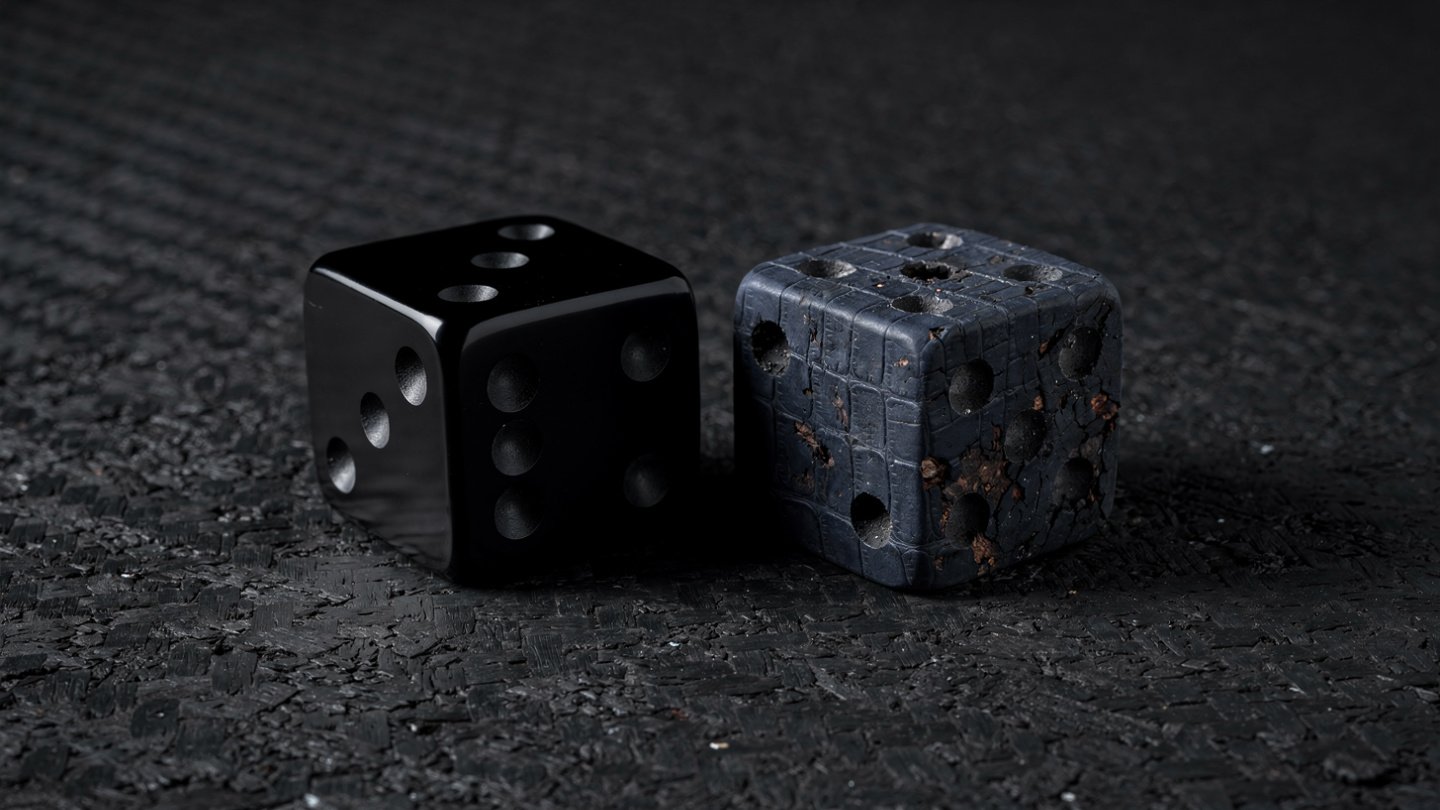
Creative dice games ideas transform ordinary cubes into tools for imagination, learning, and laughter. You do not need expensive equipment or complicated rule books to invent memorable experiences. A handful of dice, some paper, and a willingness to experiment can lead to hours of original entertainment.
This guide explores inventive ways to use dice beyond traditional games. You will discover storytelling techniques, educational activities, movement challenges, and hybrid game concepts that blend dice with other household items. Everything here focuses on family-friendly fun that sparks creativity in players of all ages.
Why creative dice game design matters
Inventing your own dice games offers unique benefits that go beyond following published rules.
First, it encourages problem-solving. When you create a game, you think about balance, fairness, and what makes activities enjoyable. These design skills transfer to academic projects and real-world challenges.
Second, it personalizes entertainment. You can tailor games to your family’s interests, inside jokes, and skill levels. A game about your pet’s imaginary adventures feels more engaging than generic themes.
Third, it builds confidence. Successfully creating something that others enjoy proves your ideas have value. This validation matters for children developing self-esteem and adults exploring creative outlets.
The basic building blocks of dice game design
Before diving into specific creative dice games ideas, understand the core elements that make games work.
Random number generation
Dice produce unpredictable results within a known range. A standard six-sided die gives you numbers one through six with equal probability.
Decision points
Good games require players to make meaningful choices. These decisions might involve risk assessment, resource management, or strategic positioning.
Win conditions
Clear goals help players understand success. Common objectives include reaching a target score, completing a collection, or achieving specific combinations.
Pacing and rhythm
Games need momentum. Turns should move quickly enough to maintain attention but allow enough time for thoughtful decisions.
When you experiment with creative dice games ideas, adjust these elements until the experience feels balanced and enjoyable.
Storytelling dice games for imaginative play
Dice can generate story elements that spark creative narratives. These activities work wonderfully for children developing language skills and adults who enjoy collaborative fiction.
Story cube adventure
This concept uses dice to determine plot elements in an evolving tale.
What you need
- 3 to 6 dice
- Paper with story element lists
Setup
Create lists matching dice numbers:
- Die 1 Characters: hero, wizard, robot, dragon, detective, explorer
- Die 2 Settings: castle, space station, jungle, underwater city, mountain, desert
- Die 3 Problems: lost treasure, mysterious illness, time loop, broken machine, missing person, natural disaster
- Die 4 Objects: magic sword, ancient book, crystal, map, key, compass
- Die 5 Allies: talking animal, friendly ghost, inventor, healer, guide, warrior
- Die 6 Twists: betrayal, false clue, hidden truth, unexpected friend, race against time, secret passage
How to play
- Each player rolls all dice once.
- Use the results to create story elements.
- Take turns adding one sentence to the developing story.
- Continue for 10 to 20 rounds or until the story reaches a natural conclusion.
Example
Rolling 4, 2, 5, 1, 3, 6 might generate: A dragon lives in a space station with a mysterious illness. A magic sword, talking animal, and race against time become part of the solution.
This exercise develops narrative structure, vocabulary, and collaborative creativity. It also shows how random elements can inspire unexpected connections.
Emotion and action storytelling
This variation focuses on character development and movement within stories.
What you need
- 2 dice
- Emotion and action reference cards
Setup
Create two lists:
- Emotions: happy, sad, angry, surprised, confused, brave
- Actions: runs, hides, builds, breaks, discovers, teaches
How to play
- One player starts a story with any opening sentence.
- The next player rolls both dice.
- The first die determines an emotion, the second an action.
- The player adds a sentence incorporating that emotion and action.
- Continue passing the story around.
This activity helps children understand emotional expression and cause-and-effect relationships in narratives.
Educational dice games for learning skills
Creative dice games ideas excel at making education feel like play. These activities reinforce academic concepts without the stress of traditional studying.
Math operation challenge
This game transforms arithmetic practice into competitive fun.
What you need
- 4 dice
- Paper and pencil
- Timer optional
How to play
- Both players roll two dice each.
- Announce an operation: addition, subtraction, multiplication, or division.
- Players race to calculate their result correctly.
- First correct answer scores a point.
- Play to 10 points or for a set time period.
Variations
- Allow players to choose their operation for bonus creativity.
- Require players to create the largest or smallest possible result using any operation.
- Include multi-step problems using three or four dice.
This approach builds mental math fluency while maintaining engagement through friendly competition.
Geography dice explorer
This game combines dice with maps to teach geography.
What you need
- 1 die
- World map or map of your country
- Colored markers or stickers
Setup
Divide the map into six regions and number them.
How to play
- Players take turns rolling the die.
- The number indicates which map region to explore.
- The player must name one fact about that region: a country, capital city, river, mountain range, or cultural element.
- Mark correct answers with a sticker.
- First player to collect facts from all six regions wins.
Extension
Create themed versions focusing on history, ecosystems, or cultural traditions.
Vocabulary builder dice game
This activity expands language skills through creative word challenges.
What you need
- 2 dice
- Dictionary or word list
- Timer
How to play
- Roll both dice and add them.
- The total determines the word challenge:
- 2 to 4: One syllable word
- 5 to 7: Two syllable word
- 8 to 10: Three syllable word
- 11 to 12: Four or more syllable word
- Players have 30 seconds to write a word matching that syllable count.
- Award points for correct syllable counting and bonus points for interesting or unusual words.
This game builds phonological awareness and expands vocabulary in an engaging format.
Movement and physical dice games
Creative dice games ideas can get players moving, combining mental engagement with physical activity.
Fitness dice challenge
This game turns exercise into an entertaining activity rather than a chore.
What you need
- 2 dice
- Space to move
Setup
Assign exercises to numbers:
- 1: Jumping jacks
- 2: Toe touches
- 3: Arm circles
- 4: High knees
- 5: Squats
- 6: Balance on one foot
How to play
- Roll both dice.
- The first die determines the exercise.
- The second die determines repetitions or duration in seconds multiplied by five.
- Players take turns or everyone does the exercise together.
- Complete 10 to 15 rounds for a full movement session.
This activity works well for rainy days when children need indoor physical outlets.
Dance move creator
This game combines dice with music for creative movement exploration.
What you need
- 3 dice
- Music player
- Movement cards
Setup
Create three categories:
- Body part: arms, legs, head, whole body, hands, hips
- Movement type: shake, wave, spin, jump, stomp, sway
- Speed: slow, medium, fast, very fast, freeze for 3 counts, reverse direction
How to play
- Start music.
- Roll all three dice.
- Perform a dance move combining the three elements for 10 to 20 seconds.
- Pass the dice to the next player.
- Continue until the song ends.
This activity develops body awareness, rhythm, and creative expression without requiring formal dance training.
Hybrid games combining dice with other materials
Some of the most creative dice games ideas emerge when you combine dice with other household items.
Dice and drawing challenge
This game merges art with chance-based prompts.
What you need
- 2 to 3 dice
- Drawing paper
- Colored pencils or markers
- Timer
Setup
Create prompt categories:
- Subject: animal, vehicle, building, person, plant, object
- Setting: underwater, in space, on a mountain, in a city, in a forest, at the beach
- Style: realistic, cartoon, abstract, using only circles, using only straight lines, using only three colors
How to play
- Each player rolls dice to determine subject, setting, and style.
- Set a timer for 5 to 10 minutes.
- Everyone draws based on their prompts.
- Share and discuss the results without judging quality.
This activity encourages creative problem-solving as artists work within unusual constraints.
Dice tower building
This game combines dice with construction challenges.
What you need
- 10 to 20 dice
- Building materials: blocks, cards, or cups
- Timer
How to play
- Roll one die to determine the challenge level.
- The number indicates how many dice must be incorporated into a tower structure within 3 minutes.
- Players build towers using the building materials and the required number of dice.
- The tower must stand unsupported for 10 seconds to count.
- Award points for successful completion and bonus points for creative designs.
This activity develops spatial reasoning, fine motor skills, and patience.
Recipe dice for cooking adventures
This creative approach uses dice to determine simple recipe variations.
What you need
- 3 dice
- Basic recipe base like smoothies, sandwiches, or pizza
- Ingredient options
Setup
Create ingredient lists:
- Fruits: banana, strawberry, apple, mango, blueberry, peach
- Proteins: peanut butter, yogurt, cheese, beans, eggs, nuts
- Extras: honey, cinnamon, vanilla, chocolate chips, coconut, granola
How to play
- Roll three dice to select ingredients.
- Combine them following basic food safety and compatibility.
- Taste and rate the creation.
This activity teaches kitchen skills, nutrition awareness, and adventurous eating in a low-pressure format. Always supervise young children near kitchen equipment and ingredients.
Cooperative dice challenges
Not all games need winners and losers. Cooperative creative dice games ideas build teamwork skills.
Tower of cooperation
Players work together to build success rather than competing.
What you need
- 5 dice
- Paper and pencil
How to play
- The team rolls all five dice.
- Together, players must find a way to use all five numbers in a single math equation that equals exactly 20.
- You may use addition, subtraction, multiplication, or division.
- Each die must be used exactly once.
- If successful, the team scores a point.
- Try to score 10 points within 20 minutes.
Example
Rolling 2, 3, 4, 5, 6 could become: 4 times 5 equals 20, then add 6 and subtract 3 and subtract 2 and add the remaining result. Or find simpler combinations.
This activity rewards collaboration and flexible thinking.
Story rescue mission
This cooperative storytelling game challenges players to create coherent narratives under pressure.
What you need
- 1 die
- Story prompt cards
How to play
- Start a story with one player providing the opening sentence.
- The next player rolls the die.
- If the roll is 1 to 3, add a sentence that creates a problem.
- If the roll is 4 to 6, add a sentence that solves a problem.
- The team wins if they create a complete story with a satisfying ending within 15 turns.
This format teaches narrative structure and collaborative creativity.
Tips for inventing your own creative dice games
Once you try several creative dice games ideas, you might want to design completely original games.
Start with a theme
Choose a topic that excites your group: space exploration, dinosaurs, cooking, sports, or fantasy adventures. The theme provides context that makes abstract dice results feel meaningful.
Define clear objectives
Decide what players are trying to accomplish. Objectives might include reaching a destination, collecting items, solving problems, or creating something together.
Test and adjust
Play your prototype and notice what works. If turns take too long, simplify decisions. If the outcome feels predetermined, add more choices. If players seem confused, clarify the rules.
Ask for feedback
Let players share what they enjoyed and what felt frustrating. Sometimes a small rule change transforms an okay game into a great one.
Document your creation
Write down the final rules. Give your game a fun name. You have just created something original that might entertain your family for years.
Why dice remain perfect for creative gaming
Despite technological advances, dice continue thriving as creative tools for several reasons.
They provide truly random results without batteries or screens. They offer tactile satisfaction as physical objects. They work equally well for two players or large groups. They cost almost nothing and last for decades.
Most importantly, dice create space for human creativity. The simple act of rolling generates starting points that our imaginations transform into stories, challenges, learning opportunities, and shared laughter.
Frequently asked questions about creative dice games
Can you use non-standard dice
Absolutely. Four-sided, eight-sided, ten-sided, twelve-sided, and twenty-sided dice open new possibilities. You can find these at hobby stores or online retailers. They work especially well for games with more complex outcomes or larger number ranges.
How many dice should you own for creative gaming
Six to ten standard six-sided dice handle most creative dice games ideas comfortably. Adding a few specialty dice expands your options without requiring significant investment.
Are these games suitable for classrooms
Many teachers use creative dice games for math practice, creative writing prompts, and indoor physical education. The games support multiple learning styles and keep students engaged through novelty and choice.
What age group benefits most
Creative dice games work from preschool through adulthood. Simple counting games suit young children. Strategic and narrative games engage older kids and adults. The format adapts to any developmental level.
Combining digital tools with physical dice
While this guide emphasizes screen-free play, you can thoughtfully integrate technology with creative dice games ideas.
Use tablets or phones to:
- Display reference lists and rule sheets
- Play background music for movement games
- Set timers for timed challenges
- Document creative results through photos
- Research facts during educational games
The key is keeping dice and human interaction central while using technology as a helpful tool rather than the main focus.
Building a creative dice games habit
Making creative dice gaming a regular practice yields long-term benefits.
Set aside 20 to 30 minutes weekly for dice game experimentation. Rotate who chooses the game type. Keep a journal documenting successful inventions. Celebrate creativity over perfect execution.
Over time, your collection of original games becomes a unique family tradition that reflects your group’s personality, interests, and sense of humor.
Final thoughts on creative dice gaming
Creative dice games ideas prove that innovation does not require complexity. Simple tools plus imagination create experiences that manufactured entertainment cannot replicate.
Whether you are building math skills, telling stories, moving your body, or simply enjoying time together, dice provide frameworks for connection and growth. The best part? You already have everything you need to start.
Try one creative dice game from this article this week. Invite someone to play with you. Notice what makes you both smile. Then try another game, and another, until creating your own becomes second nature.
Share this article with teachers, parents, and anyone who values creative play. Comment below with your own creative dice games ideas or modifications that worked well for your group. Your innovation might inspire someone else’s next favorite game.
Note: This article is for informational and entertainment purposes only. It does not promote or encourage real-money gambling.


