


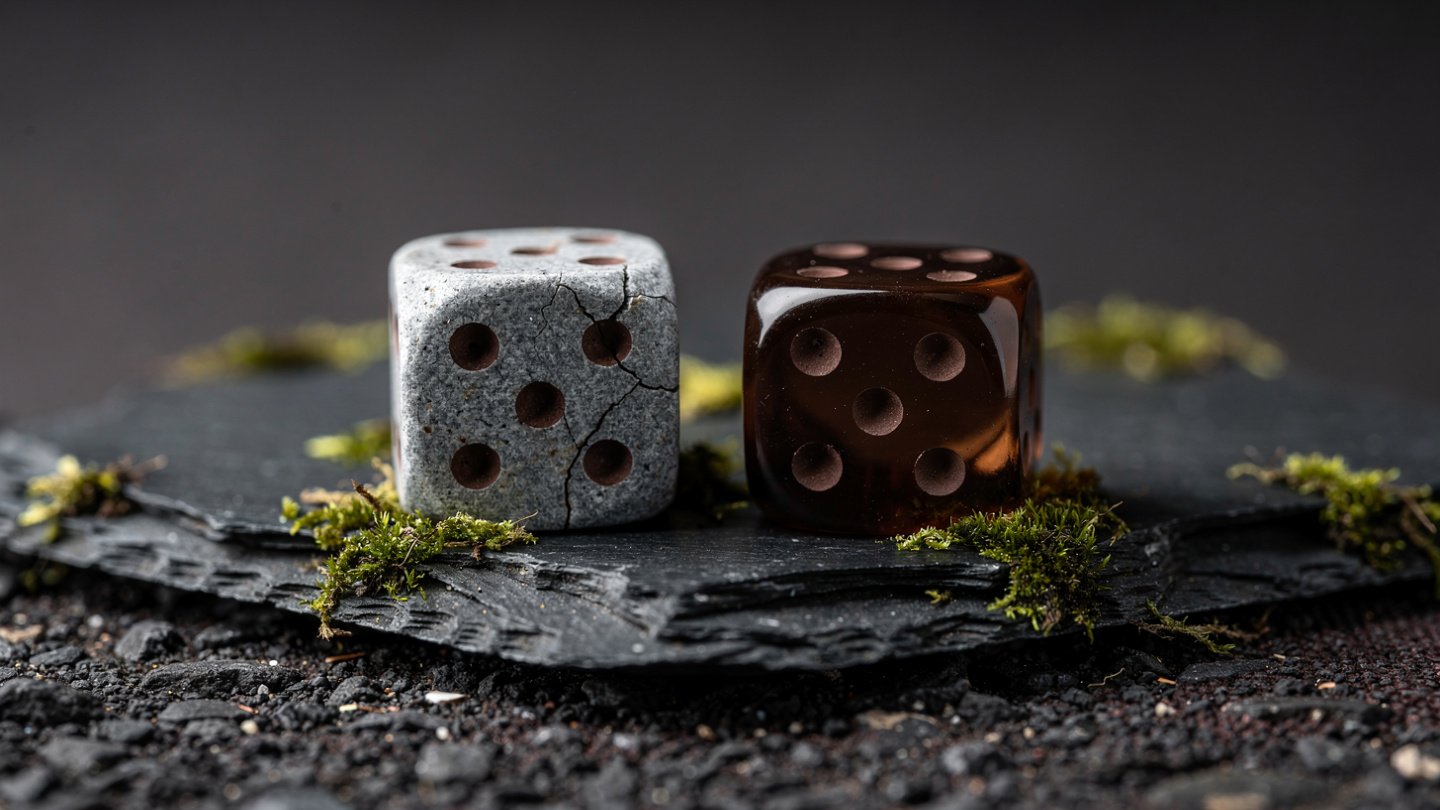
Dice games remain a staple of social gatherings because they bridge the gap between simplicity and excitement. Whether you are hosting a small dinner party or a large family reunion, a few small cubes can provide hours of entertainment. You do not need expensive equipment or complex setups to enjoy these activities. All you need is a set of dice, some friends, and a little bit of enthusiasm.
In this guide, we will explore some of the most engaging dice games for parties. We will cover their history, the rules for popular versions, and tips on how to host a successful game night. These games are designed for entertainment and educational purposes, helping players practice quick math and social interaction in a friendly environment.
The Long History of Dice in Social Gaming
Dice are among the oldest gaming tools known to humanity. Archeological evidence suggests that people have been rolling small objects to predict outcomes for thousands of years. Ancient civilizations in Mesopotamia and Egypt used knuckle bones from animals before the transition to the standardized six-sided cubes we recognize today.
The beauty of dice lies in their universal appeal. Throughout history, these small objects have appeared in various cultures as a way to settle disputes or simply pass the time. In a modern party setting, they serve as the perfect icebreaker. They encourage people to gather around a table, share a few laughs, and engage in some friendly competition.
Why Dice Games are Perfect for Parties
You might wonder why dice games remain so popular in an age of high tech video games. There are several logical reasons for this. First, dice games are highly portable. You can fit a whole evening of entertainment into your pocket. This makes them ideal for travel or outdoor gatherings.
Second, the rules are usually easy to learn. Unlike complex board games that require an hour of reading instructions, most dice games can be explained in under five minutes. This allows guests to jump right into the action without feeling overwhelmed.
Third, dice games offer a unique blend of strategy and chance based gameplay. While you cannot control what the dice show, you can control how you react to the results. This creates a satisfying balance where everyone has a chance to win, regardless of their skill level.
Popular Dice Games for Large Groups
When you have a large number of guests, you need games that move quickly and keep everyone engaged. Here are some of the top choices for big social circles.
Bunco
Bunco is perhaps the most famous party dice game in existence. It is traditionally played with twelve players divided into three tables, but you can adapt it for almost any group size that is a multiple of four.
The goal of Bunco is to score points by rolling specific numbers that match the current round. In round one, players try to roll ones. In round two, they try to roll twos, and so on. If a player rolls three of a kind of the target number, they yell Bunco and earn a large number of points.
One reason people love Bunco is the constant movement. After each round, winners move up to a higher table while some players move down. This ensures that everyone interacts with almost every other guest at the party. It is a fantastic social tool for groups where people might not know each other very well yet.
Left Center Right
Often abbreviated as LCR, this game is fast paced and requires almost no setup. Each player starts with three tokens. You can use plastic chips, buttons, or even small pieces of candy as tokens.
The dice for LCR are specially marked with L, C, R, and dots. When you roll an L, you pass a token to the person on your left. An R means you pass one to the right. A C means your token goes into the center pot. Dots are safe, meaning you keep your tokens.
The game continues until only one person has tokens left. Even if you lose all your tokens, you are not out of the game yet. If the person next to you rolls a direction that sends a token your way, you are back in the action. This keeps the energy high until the very last roll.
Exciting Dice Games for Small Groups
If you are hosting a more intimate gathering, you might prefer games that allow for a bit more individual strategy.
Ten Thousand
This game is known by many names, including Farkle or Zilch. It is a classic risk versus reward game that uses six dice. Players take turns rolling to accumulate points based on specific combinations, such as three of a kind or straight sequences.
The catch is that you must decide when to stop. If you roll the dice and fail to score any points in that specific throw, you lose all the points you gathered during that turn. This is often called a Farkle. It is a brilliant way to see who among your friends is a cautious strategist and who is a bold risk taker.
Pig
Pig is one of the simplest dice games ever created, yet it is surprisingly addictive. It uses only one die. On your turn, you roll the die as many times as you want, adding up the numbers as you go.
However, if you roll a one, your turn ends and you lose all the points you gained during that turn. You must decide whether to bank your points or keep rolling for a higher score. It is a great way for children to practice addition and for adults to enjoy a quick, competitive round between other activities.
Creative Variations for Your Game Night
To keep things fresh, you can introduce variations to the standard rules. This adds a layer of novelty that keeps guests interested.
One popular idea is the Speed Round. In this version, players have a limited time, such as thirty seconds, to complete their rolls. This increases the intensity and usually leads to more laughter as people fumble with the dice under pressure.
Another fun variation is the Team Challenge. Instead of playing individually, pair your guests up. Partners can take turns rolling or consult each other on strategy. This is especially helpful if some guests are shy, as it gives them a partner to rely on.
Step by Step Instructions for Hosting a Dice Party
Hosting a successful event requires a bit of preparation. Follow these steps to ensure your guests have a wonderful time.
First, gather your supplies. Ensure you have enough dice for everyone. A good rule of thumb is to have at least twenty dice on hand for a medium sized party. You will also need scorecards, pens, and tokens if the games require them.
Second, prepare the space. Dice can be noisy when they hit a hard wooden table. Consider using felt mats or small trays to dampen the sound. This also helps keep the dice from flying off the table and getting lost under the furniture.
Third, explain the rules clearly. It is often helpful to do a practice round where no points are recorded. This allows everyone to get a feel for the mechanics without any pressure.
Fourth, provide snacks that are not messy. Since players will be handling dice and scorecards, avoid greasy or sticky finger foods. Pretzels, nuts, and dry crackers are excellent choices for a gaming environment.
The Educational Benefits of Playing with Dice
While we often play these games for fun, they also offer significant educational value. For children, dice games are a tactile way to learn probability and basic arithmetic. Seeing the numbers on the dice and adding them up in real time reinforces math skills in a way that a textbook cannot.
For adults, these games help maintain cognitive flexibility. Deciding whether to roll again in a game of Ten Thousand requires quick mental calculation and risk assessment. Furthermore, the social nature of these games improves communication skills and emotional intelligence. Learning how to win and lose gracefully is a life skill that is best practiced in a friendly, low stakes environment.
Trustworthy Resources for Game Rules
If you want to dive deeper into the specific rules of hundreds of different dice games, there are several authoritative sources you can visit. Websites like the International Dice Game Association provide detailed rulebooks and variations for classic games. You can also find historical archives at museums that specialize in toys and games, which offer insight into how these activities have evolved over centuries.
By using these resources, you can ensure that your game night is accurate and fair. Having a printed copy of the rules on the table can also prevent any friendly debates from becoming too serious.
Creating a Positive Atmosphere
The most important part of any party is the atmosphere. Dice games should be lighthearted and inclusive. Encourage cheering for great rolls and offering sympathetic groans for the unlucky ones.
As a host, your job is to keep the energy moving. If a game seems to be dragging on, don’t be afraid to introduce a sudden death rule or move on to a different game. The goal is for everyone to leave with a smile on their face, having enjoyed the company of others.
The Psychology of the Roll
There is a certain thrill in the moment between the dice leaving your hand and them coming to a stop. Psychologists suggest that this brief period of uncertainty creates a healthy dose of excitement. It is a safe way to experience the highs and lows of chance. Because the outcome is determined by physics rather than a computer algorithm, players feel a deeper connection to the game.
This connection is what makes dice games so memorable. People rarely remember the specific scores, but they always remember the time their friend rolled three sixes in a row when they needed them most. These shared stories are what build lasting friendships.
Frequently Asked Questions About Dice Games
How many dice do I need for a party?
For most parties, having about five to ten sets of six-sided dice is sufficient. Some specific games like Bunco require more, so always check the player count beforehand.
Are dice games suitable for all ages?
Yes, dice games are incredibly versatile. Simple games like Pig are perfect for young children, while strategic games like Ten Thousand engage teenagers and adults.
What should I use as tokens?
Anything small and uniform works. Popular choices include dried beans, colorful buttons, plastic chips, or even wrapped hard candies.
Can I play dice games online?
While digital versions exist, the physical experience of rolling dice is part of the charm. However, online versions are a great way to practice the rules before you host a live event.
Final Thoughts on Social Gaming
Dice games are a timeless way to bring people together. They are affordable, easy to participate in, and endlessly varied. By focusing on the social and educational aspects of these games, you can create an environment where everyone feels welcome and entertained.
Whether you are aiming for the high energy of a Bunco tournament or the quiet strategy of a small group game, the humble die is your best friend. So, grab a cup of your favorite beverage, clear off the kitchen table, and let the good times roll at your next gathering.
Share this article with your friends to help them plan their next game night. Comment below with your favorite dice game and tell us about your most memorable roll.
Note: This article is for informational and entertainment purposes only. It does not promote or encourage real-money gambling.


