


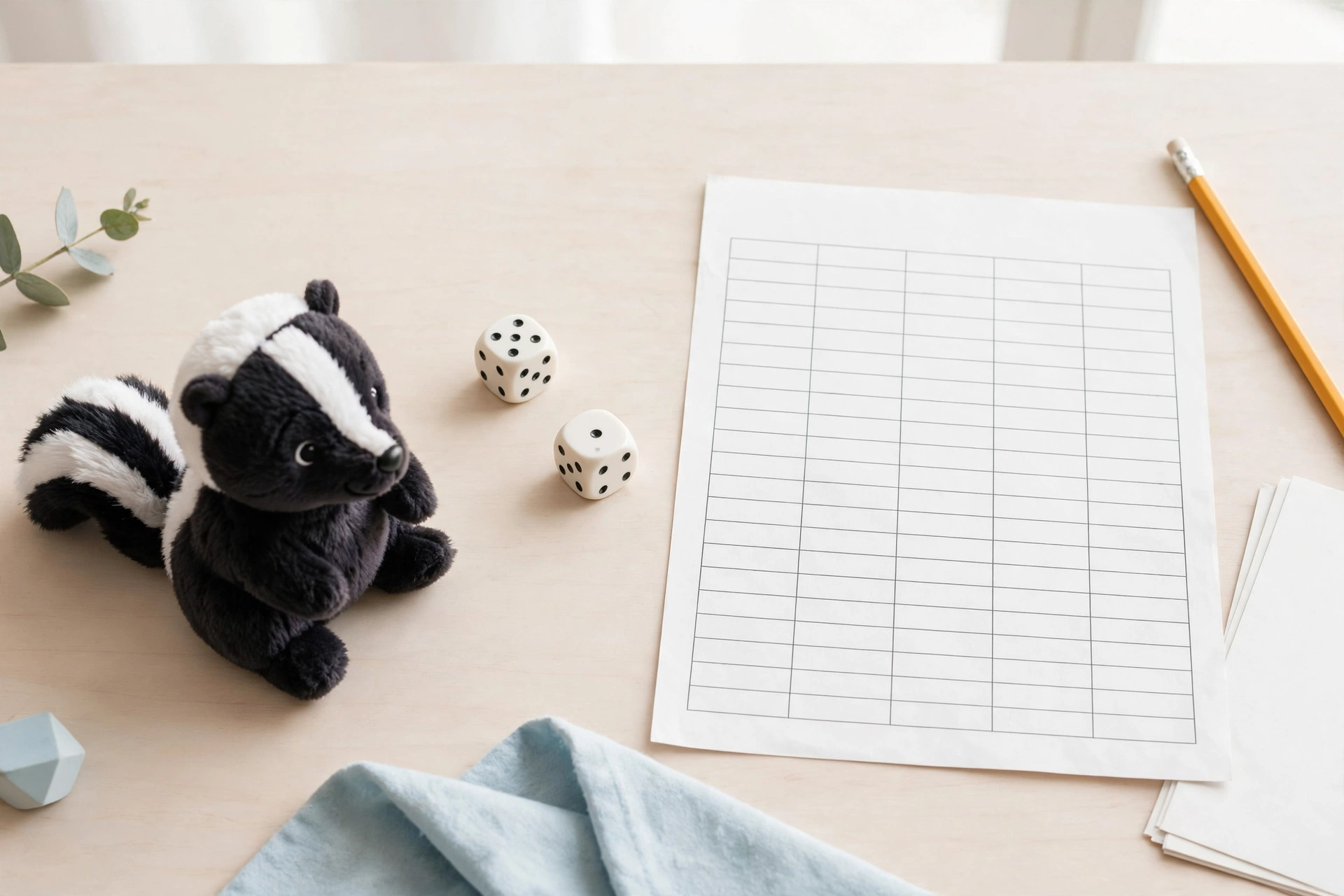
The Skunk dice game is a classic turn-based entertainment activity that combines simple rolling mechanics with strategic decision-making. This timeless game has entertained families and friends for generations while remaining remarkably easy to learn. Whether you’re completely new to Skunk or looking to sharpen your gameplay skills, this comprehensive guide covers everything you need to know about rules, strategies, and why this game continues to captivate players worldwide.
Dice games have entertained people across cultures and centuries because they offer accessible fun requiring minimal equipment. Skunk stands out among traditional games because it perfectly balances chance-based outcomes with meaningful player choices. The game creates exciting moments where players must decide whether to take risks or play it safe. Let’s explore everything about this beloved classic.
What Is the Skunk Dice Game
Skunk is a turn-based dice game where players roll two dice to accumulate points toward a target score. The objective involves reaching a predetermined point total before other players while managing the risk of losing points through unfortunate rolls. The first player to reach the target score wins the game.
The game’s name comes from rolling a one on either die, which results in losing all points accumulated during that turn. Rolling double ones is even worse, causing players to lose their entire game score. These risky outcomes create the tension and excitement that makes Skunk genuinely entertaining.
Skunk accommodates two to six players comfortably and typically plays in fifteen to thirty minutes depending on the target score and player decisions. The game requires only two standard six-sided dice and paper for score tracking, making it accessible to anyone with minimal materials.
The History of Skunk Game
Skunk emerged as a popular dice game in North America during the twentieth century. The exact origins remain unclear, but the game became particularly popular as a classroom activity and family entertainment. Teachers appreciated Skunk because it combined mathematical thinking with game strategy while remaining simple enough for young students to understand.
The game’s appeal lies in its elegant design balancing luck and strategy. Players can’t control the dice, but they control when to stop rolling and accept their accumulated points. This decision-making element distinguishes Skunk from purely chance-based games and makes it intellectually engaging for players of all ages.
Throughout the decades, Skunk has remained largely unchanged, testament to how well the original game was designed. The core rules have proven timeless while variations have emerged to suit different preferences and player groups. Many people who learned Skunk as children teach the game to their own children, creating a multigenerational tradition.
Essential Equipment for Playing Skunk
Getting started with Skunk requires gathering only basic materials that most households already possess.
The Dice
You need two standard six-sided dice for Skunk. These are regular dice with faces numbered one through six. Any dice will work, whether they’re plastic, wood, or metal. The only requirement is that each die clearly shows the correct numbers when rolled.
Scoring Materials
Keep paper and pencil handy for tracking each player’s score throughout the game. You’ll need to record individual round scores and cumulative totals, so adequate writing space matters. Some players use whiteboards or small notebooks for easier erasing and updating.
Playing Surface
A flat table or hard surface works perfectly for rolling dice. Avoid soft surfaces like couches or beds where dice might roll unpredictably or get lost in cushions.
Understanding the Basic Rules
Mastering Skunk’s straightforward rules takes just a few minutes.
The Target Score
Players must decide on a target score before the game begins. Common choices include fifty, one hundred, or one hundred fifty points. Lower targets like fifty work well for shorter games with younger players. Higher targets create longer, more strategic games for experienced players.
Rolling and Scoring
On your turn, you roll both dice together. The numbers showing on top add together to create your points for that roll. For example, rolling a four and a five gives you nine points for that roll.
You continue rolling as many times as you want during your turn, accumulating points with each successful roll. After each roll, you face a critical decision: roll again to potentially earn more points, or stop rolling and lock in your current turn total.
The Skunk Penalty
If you roll a one on either die, you immediately lose all points accumulated during that turn. The turn ends, and your total from that round becomes zero. Rolling a one is called getting “skunked,” hence the game’s name.
Double Skunk Disaster
Rolling ones on both dice simultaneously creates a catastrophic outcome. Not only do you lose all points from that turn, but you also lose your entire game score accumulated across all previous turns. You return to zero and must rebuild your score completely. This dramatic penalty creates the game’s memorable moments.
Ending Your Turn Safely
Whenever you choose to stop rolling, your accumulated points from that turn are added to your overall game score. You then pass the dice to the next player. Many successful players stop rolling after accumulating ten to twenty points per turn, accepting modest gains rather than risking massive losses.
Step-by-Step Gameplay Instructions
Following these detailed steps helps you understand exactly how to play Skunk.
Game Setup
Gather two to six players and seat them comfortably around a table. Write each player’s name on your scoring sheet with a starting score of zero. Decide on your target score together. Most casual games use fifty or one hundred points.
Determine turn order using any fair method like drawing straws or going clockwise around the table. The player going first should be randomly selected rather than chosen strategically.
Taking Your Turn
When your turn arrives, pick up both dice and shake them vigorously. Roll them onto the table so all players can see the results clearly. Never hide or shield the dice from view.
Look at the numbers showing on the top face of each die. Add these numbers together. This total represents your points for this roll. Write this number on a temporary scratch area while keeping track.
Making Your Critical Decision
After each roll, decide whether to roll again or stop and lock in your points. Consider these factors: your current turn total, your game score position relative to other players, and the risk tolerance you feel comfortable with.
If you roll again and succeed, your new points add to your turn total. If you roll again and get a one, you lose everything from this turn. If you roll double ones, you lose your entire game score.
When You Get Skunked
If you roll a one on either die, your turn ends immediately. All points from this turn disappear. Your game score remains unchanged from before this turn. Simply pass the dice to the next player.
When You Get Double Skunked
Rolling ones on both dice is catastrophic. You lose not just your turn points but your entire game score. You return to zero points total and must restart building your score from the beginning.
Stopping and Scoring
If you choose to stop rolling, add your turn total to your cumulative game score and announce this new total aloud. Record this score on your sheet and pass the dice to the next player.
Continuing Play
Players continue taking turns, rolling, and making decisions. Keep tracking cumulative scores. The first player to reach the predetermined target score wins the game.
Strategic Tips for Better Gameplay
While chance dominates Skunk outcomes, strategic thinking enhances your performance.
Understanding Risk Management
The key to Skunk success involves balancing potential rewards against risks. Rolling once more after accumulating ten points offers a chance to gain nine to eleven more points. However, it also risks losing those ten points entirely. Mathematical expectation slightly favors rolling again, but risk tolerance varies between players.
Position Awareness
Pay attention to other players’ scores. If you’re significantly behind, taking larger risks makes sense mathematically. If you’re ahead, playing conservatively to protect your lead is wise. Some players use different risk strategies based on their position in the game.
Psychological Momentum
After rolling successfully several times in a row, it’s tempting to keep rolling. Resist this temptation. Lucky streaks can end suddenly. Lock in your gains before the odds catch up with you.
Early Game Strategy
During the game’s early rounds, most players take modest risks since the target score seems distant. As you approach your target, increasingly conservative play makes sense. Protect your progress rather than risking it for marginal gains.
Learning From Others
Watch how experienced players approach decision-making. Notice when they stop rolling and when they continue. Understanding their reasoning helps develop your own strategic sense.
Emotional Control
Stay calm whether you roll well or poorly. Frustration from a bad roll shouldn’t prompt reckless decisions on your next turn. Clear thinking and consistent strategy outperform emotional reactions.
Game Variations and House Rules
Many groups modify standard Skunk rules to add variety or suit their preferences.
Alternative Target Scores
Some groups use seventy-five or two hundred points instead of the standard fifty or one hundred. Experiment with different targets to find what works best for your group.
The Three Skunk Variant
In this variation, any roll showing a one costs you only your current turn total, not your game score. Rolling double ones still wipes out your full game score. This reduces the severity of single one rolls while maintaining the double one penalty.
Banker’s Skunk
Some versions include a banker role where one player controls dice and can claim points by rolling. However, this significantly changes core gameplay and isn’t standard.
Multiplier Rolls
Certain variations award bonus points for rolling doubles. For example, rolling two threes might count as fifteen points instead of six. This adds complexity and variation.
Speed Rounds
Groups sometimes play timed turns where players must decide to roll or stop within ten seconds. This adds excitement and prevents excessive deliberation.
Score Deduction
Some versions deduct fifty points instead of returning to zero when rolling double ones. This creates a different strategic dynamic than the traditional rule.
Why Skunk Remains Popular
This game has entertained people for over a century because it offers numerous genuine benefits.
Simple Rules Accessible to Everyone
Anyone can learn Skunk in under five minutes. Children as young as five or six can play with minimal guidance. Adults appreciate the straightforward mechanics allowing them to focus on strategy and social interaction rather than rule complexity.
Quick Gameplay Maintains Engagement
Games typically last fifteen to thirty minutes depending on target score and player decisions. This brief duration keeps energy high and prevents boredom. Players can easily fit multiple rounds into an hour of entertainment.
Balance of Luck and Strategy
Pure luck games feel meaningless to many players. Pure strategy games exclude younger participants. Skunk perfectly balances both elements, appealing to varied player types and ages.
Genuine Decision-Making Moments
Unlike games where players follow predetermined paths, Skunk requires meaningful choices every turn. Players face real dilemmas with consequences, creating engagement and memorable moments.
Minimal Setup and Equipment
You literally need only two dice and paper. No expensive components, elaborate boards, or extensive setup required. This accessibility makes Skunk playable anywhere, anytime.
Universal Social Appeal
Skunk naturally encourages interaction and conversation. Players watch each other roll, react to outcomes, and discuss decisions. The game facilitates genuine connection and laughter.
Educational Benefits of Skunk
Beyond entertainment, Skunk offers several learning advantages for young players.
Mathematical Development
Players practice addition repeatedly while adding dice values and cumulative scores. This reinforces math skills in a practical, engaging context.
Risk Assessment Skills
Skunk teaches children to evaluate probabilities and potential outcomes. Young players naturally develop intuitions about likelihood and consequence.
Decision-Making Under Uncertainty
Skunk presents realistic scenarios where people must make important choices with incomplete information. These skills transfer directly to real-life situations.
Understanding Consequences
Rolling a skunk teaches immediate cause-and-effect relationships. Poor decisions produce instant negative results, reinforcing accountability.
Patience Development
Skunk teaches restraint and the value of conservative strategy. Players learn that modest, consistent progress often beats risky but potentially devastating moves.
Sportsmanship
Both winning and losing occur regularly in Skunk. Players practice handling both outcomes gracefully, developing emotional maturity and good sportsmanship.
Playing Skunk at Different Ages
Adapting gameplay to different age groups ensures everyone enjoys the experience.
Preschoolers and Young Children
Ages three to five might struggle with addition but can enjoy simplified versions. An adult can handle calculations while children roll dice and watch outcomes. This introduces game concepts early.
Early Elementary Students
Ages six to eight understand basic addition and can play standard Skunk with adult guidance. They enjoy the excitement of rolling dice and appreciate simple strategy.
Older Children and Tweens
Ages nine and up play Skunk with full standard rules. They grasp probability concepts intuitively and enjoy developing personal strategies.
Teenagers and Adults
Older players appreciate Skunk’s elegant simplicity and enjoy experimenting with variations. They often develop sophisticated risk management strategies.
Setting Up a Successful Skunk Game Night
Creating the right environment enhances everyone’s experience.
Choosing Your Space
Select a flat surface where everyone can see the dice clearly. A table works perfectly. Ensure adequate lighting so players can track their scores and see die results.
Gathering Materials
Get two dice, paper, and pencils. Have extra pencils available in case one breaks. Keep your scoring sheet clearly visible to all players.
Explaining Rules Clearly
Spend five minutes walking new players through the rules. Demonstrate by rolling the dice and explaining what happens with ones. Most people understand immediately.
Establishing Clear Turn Order
Write down the turn order so no confusion occurs. Some groups use a pointer or token to track who plays next.
Creating a Relaxed Atmosphere
Keep the mood light and fun. Celebrate both successful rolls and the humor in dramatic skunk outcomes. The goal is entertainment and connection.
Managing Scoring Disputes
Have all players verify scores together if disagreement arises. Most disputes resolve quickly with transparent scoring sheets.
Comparing Skunk to Similar Games
Understanding how Skunk fits among other dice games helps appreciate its unique appeal.
Similar Games
Games like Pig Dice and Farkle share Skunk’s accessibility and decision-making elements. Each game features different mechanics but similar appeal.
What Makes Skunk Unique
Skunk stands out because of its simple rules combined with meaningful strategy. The double skunk penalty for rolling ones on both dice creates memorable dramatic moments that distinguish it from other games.
Troubleshooting Common Issues
Understanding how to handle potential problems keeps games running smoothly.
What If the Dice Roll Off the Table
Most groups consider off-table rolls invalid and ask the player to roll again. This prevents manipulation accusations and maintains fairness.
What If Someone Forgets the Target Score
Simply remind the group of the target before play begins. Write it prominently where everyone can see it throughout the game.
What If Players Dispute a Roll
Have all players examine the dice together and reach agreement on what numbers show. Most disagreements resolve quickly through collective verification.
What If You Run Out of Paper
Any scrap paper works fine for scoring. Whiteboards, notebooks, or even cardboard scraps function perfectly.
Frequently Asked Questions
How Many Players Can Play Skunk
The game works best with two to six players. Larger groups experience longer waits between turns, which might test patience. Pairs create competitive intensity, while larger groups emphasize social entertainment.
How Long Does an Average Game Last
Most games finish in fifteen to thirty minutes with a target of fifty or one hundred points. Faster games with lower targets take ten minutes. Extended games using one hundred fifty point targets might stretch forty-five minutes.
Can You Play Skunk With More Than Two Dice
Yes. Using three or more dice changes probability distributions and point totals. However, this significantly alters game balance and requires rule adjustments.
What’s the Youngest Age for Playing Skunk
Children age five or six can play simplified versions with adult help calculating totals. Standard Skunk suits children eight and older who can handle basic addition.
Is There Perfect Skunk Strategy
No perfect strategy exists because dice outcomes are unpredictable. However, experienced players generally stop after accumulating ten to twenty points and play more conservatively as they approach the target score.
The Enduring Magic of Skunk
Skunk has remained popular for over a century because it perfectly balances simplicity with genuine engagement. The game requires minimal setup and quick learning, yet creates memorable moments filled with excitement and meaningful decisions.
The combination of chance-based dice rolling with strategic choice-making appeals to varied player types. Young children enjoy the straightforward mechanics and exciting rolls. Adults appreciate the quick pace and strategic depth. Families spanning multiple generations play together comfortably.
In an age of increasingly complex entertainment options, Skunk reminds us that elegant, simple games often provide the most satisfaction. The game’s longevity demonstrates how well it addresses fundamental human desires for play, meaningful choice, and connection with others.
Getting Started With Skunk Today
You have everything needed to play Skunk right now. Find two dice, grab paper and pencil, and gather willing players. In just minutes, you’ll experience why this game has entertained people for generations.
Skunk works perfectly for family game nights, classroom activities, casual hangouts, or party entertainment. The minimal setup and quick gameplay make it ideal when you want genuine fun without complexity.
Share this article with friends and family who enjoy classic games and entertainment. Comment below to tell us your favorite Skunk memories or successful strategies you’ve developed. We’d love to hear how this timeless game has brought joy and created special moments with people you care about.


