


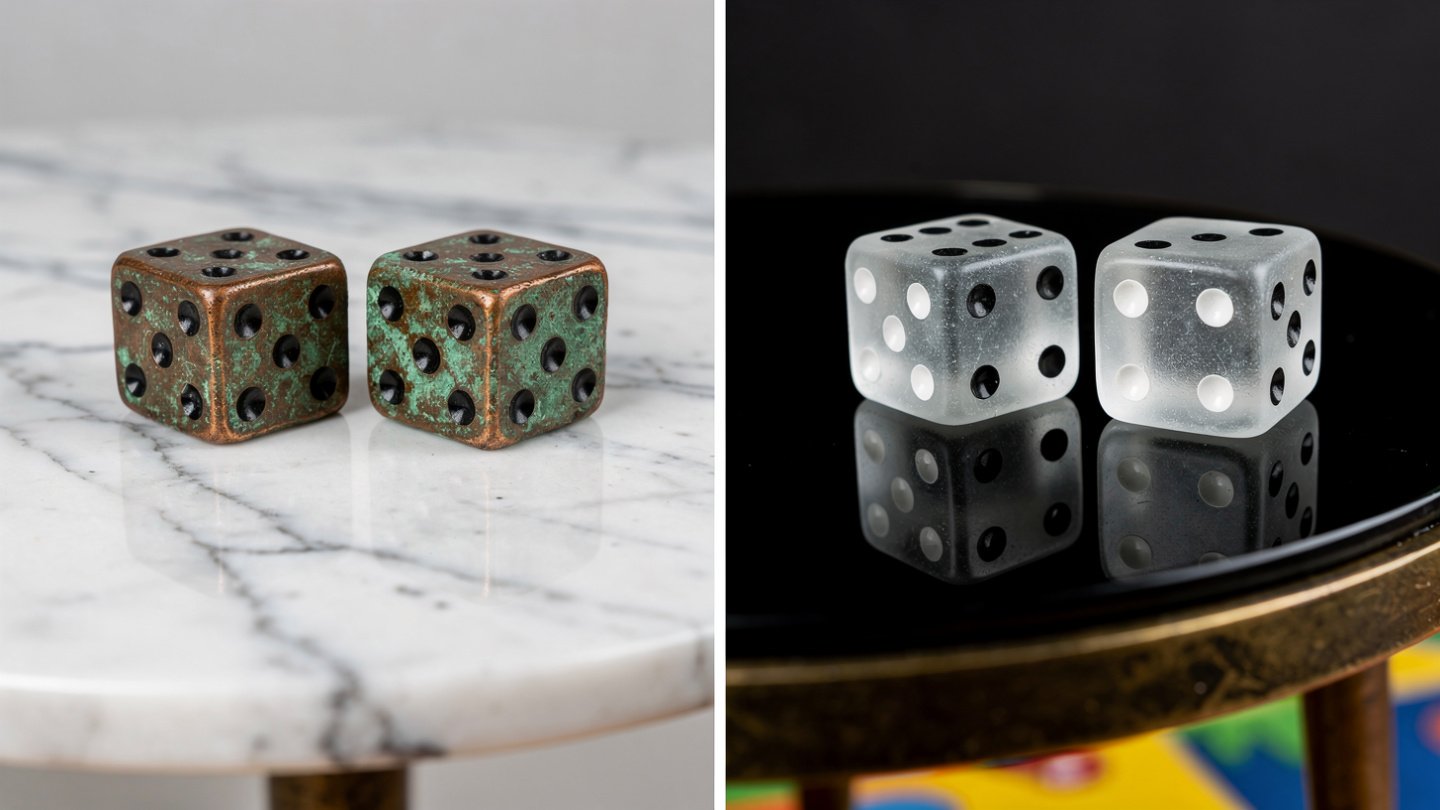
Dice rolling has fascinated people for thousands of years, serving as a fundamental element in countless games and entertainment activities. Whether you’re playing board games with family, enjoying tabletop role-playing adventures, or simply exploring the mechanics of chance-based gameplay, understanding different rolling techniques can enhance your experience and make the activity more enjoyable. This comprehensive guide explores the various methods people use to roll dice, the science behind them, and how to develop your own style.
Understanding The History Of Dice
The story of dice dates back to ancient civilizations. Archaeological findings suggest that humans have used dice-like objects for entertainment and decision-making for over 5,000 years. Ancient Egyptians, Greeks, Romans, and people from the Indus Valley all engaged in dice games as forms of recreation and social activity.
The earliest dice were made from animal bones, ivory, and stone. As time progressed, craftspeople began creating dice from wood, ceramic, and eventually more modern materials like plastic and resin. Each historical period brought refinements in dice design, making them more balanced and suitable for fair gameplay.
Why Proper Technique Matters
Rolling technique affects several aspects of the dice experience. First, a consistent rolling method helps ensure more balanced outcomes in chance-based gameplay. Second, mastering different techniques adds an element of skill and entertainment value to games. Finally, proper technique reduces the likelihood of dice rolling off tables or getting lost, keeping your gaming session organized and fun.
Many casual players don’t realize that how you roll matters more than they might initially think. The spin, release point, and surface interaction all influence the result. Learning these elements transforms dice rolling from a random action into a more intentional and controlled activity.
The Cup Rolling Method
The cup method is one of the most popular techniques used in board games and tabletop entertainment. This approach involves placing dice inside a cup, shaking it vigorously, and then pouring the dice onto a flat surface.
To execute the cup method effectively, follow these steps. First, place your dice inside a cup or container designed for dice. Ensure the cup is large enough to allow dice to move freely. Second, hold the cup securely at waist level and shake it vigorously for three to five seconds. Third, place your hand over the cup opening, invert it over your gaming surface, and slowly remove the cup to reveal the dice results.
The advantages of this method include minimal dice loss, ease of execution, and consistency. Many board game manufacturers recommend this technique because it’s reliable and suitable for players of all ages. The cup method also provides entertainment value as players anticipate the results.
The Hand Toss Technique
The hand toss method offers more control and feels more engaging for many enthusiasts. This technique involves holding dice in your hand and tossing them onto a designated rolling surface, typically a table or dice tray.
Start by placing one to three dice in the palm of your hand, keeping them loosely positioned. Your hand should be at roughly chest height and about twelve inches away from your rolling surface. Using a gentle flicking motion from your wrist and fingers, toss the dice so they tumble through the air and land on your surface. The key is maintaining a consistent release point and toss height each time you roll.
Different variations exist within the hand toss method. Some players prefer using their fingers to impart spin on the dice, while others favor a simple underhand rolling motion. Experiment with what feels natural and produces results you enjoy watching.
The Tower Roll Method
The tower roll, also called the tower toss, involves rolling dice down from an elevated position. This technique is popular in certain tabletop role-playing communities and adds visual interest to the rolling process.
To perform a tower roll, hold the dice at eye level or slightly higher. Allow the dice to fall and roll down a slight incline or across the table surface. Some players create actual towers or ramps to guide the dice movement. This method looks impressive and provides excellent entertainment value during gaming sessions with friends.
The tower method requires more space and setup than other techniques, but many players find the additional visual element worth the effort. It also tends to produce more randomized results due to the increased distance the dice travel.
The Smooth Release Roll
This technique emphasizes precision and smoothness. The smooth release roll involves holding dice carefully in your hand and allowing them to roll out gently onto the surface without throwing them forcefully.
To execute this method, rest two or three dice in your open palm. Position your hand at table height and gently tilt your hand to allow the dice to roll forward in a controlled manner. This technique minimizes wild bouncing and keeps dice on the table more consistently.
Players who prefer this method appreciate its calm, meditative quality. It’s particularly useful when playing on surfaces that don’t have raised edges, such as standard dining tables. The smooth release also works well for players with limited hand strength or dexterity concerns.
The Spin and Drop Method
This advanced technique combines spinning motion with controlled dropping. Experienced players use this method to add flair to their rolls while maintaining reasonable consistency.
Hold a single die between your thumb and forefinger at waist level. Spin the die quickly while releasing it downward onto your rolling surface. The spinning motion causes the die to tumble rapidly during its descent, creating an entertaining visual effect while still producing random outcomes.
This method requires practice to master properly. It’s less reliable for beginners but becomes second nature with repetition. The spin and drop method is particularly popular among competitive tabletop role-playing players who appreciate the skill element it introduces.
Creating The Perfect Rolling Surface
Your rolling environment significantly impacts your experience. Invest in a proper dice tray or mat designed for rolling. These surfaces typically feature raised edges that contain dice and prevent them from flying across the room.
Materials matter when selecting a rolling surface. Felt-lined trays provide good friction and absorb sound. Wooden surfaces offer a classic aesthetic while producing satisfying rolling sounds. Rubber or vinyl surfaces provide excellent dice containment and durability.
The ideal rolling surface is approximately two to three feet wide, providing ample space without being overly large. Position it at comfortable arm height, roughly thirty inches from the ground for most standing positions.
Understanding Dice Design
Modern dice come in various materials, each affecting rolling behavior. Plastic dice are affordable and durable, making them ideal for casual gaming. Resin dice offer beautiful aesthetics and reliable rolling characteristics. Metal dice provide a premium feel but require more careful handling and appropriate rolling surfaces.
The shape and weight distribution of dice influence outcomes subtly. Precision-manufactured dice ensure fair results. Wooden dice may absorb moisture over time, affecting their balance. Understanding your dice composition helps you choose appropriate rolling techniques and maintain your gaming equipment properly.
Common Mistakes To Avoid
Many casual players develop habits that diminish their rolling enjoyment. The first mistake is rolling too forcefully, which sends dice flying off tables and across rooms. Always use controlled, moderate force appropriate to your rolling surface.
Another common error involves inconsistent technique. Develop one reliable method and practice it regularly rather than randomly switching techniques. Consistency improves both your control and your entertainment experience.
Don’t neglect your rolling surface. A quality dice tray prevents frustration and lost dice. Avoid rolling on uneven surfaces, as irregularities can cause unpredictable bouncing and results.
Finally, avoid playing on surfaces too close to table edges. Give yourself at least twelve inches of clearance beyond your expected roll distance to prevent dice from falling onto floors.
Practicing Your Rolling Technique
Like any skill, dice rolling improves with practice. Dedicate time to rolling without playing games, simply focusing on technique development. Start with single dice and gradually progress to rolling multiple dice simultaneously.
Set goals for your practice sessions. Perhaps aim to keep all dice on the table during every roll, or practice achieving consistent landing patterns. Record your practice sessions mentally, noticing which techniques feel most comfortable and produce results you enjoy.
Join gaming communities where you can observe other players and learn from their approaches. Many experienced players happily share their techniques and provide constructive feedback.
Making Rolling More Entertaining
Add entertainment value to your rolling process by experimenting with different movements and styles. Some players narrate their rolls, adding humor and anticipation to the moment. Others create personal rolling rituals that make the activity feel special.
Consider the social aspect of rolling. When playing with others, your rolling style contributes to the group’s overall entertainment experience. Engaging, confident rolling creates positive energy around the gaming table.
You might also explore the wide variety of specialty dice available. Colorful dice, dice with unique symbols, and novelty dice designs make the rolling experience more visually interesting and fun for everyone involved.
Choosing Your Personal Style
Ultimately, the best rolling technique is the one that feels comfortable and enjoyable for you. Some people prefer the simplicity of the cup method, while others love the engagement of hand tossing. Your personal style should reflect your preferences, playing environment, and comfort level.
Take time to experiment with different techniques mentioned in this article. Notice which methods feel natural and produce results you enjoy. Your ideal rolling style may combine elements from multiple techniques.
Remember that rolling is meant to enhance your entertainment experience. Never feel pressured to use a specific technique just because others prefer it. Develop confidence in your chosen method and enjoy the process.
Final Thoughts On Dice Rolling Excellence
Mastering dice rolling techniques enriches your gaming experiences and demonstrates respect for the games and traditions you enjoy. Whether you’re a casual board game player or a dedicated tabletop enthusiast, improving your rolling skills adds enjoyment to every session.
Practice regularly, maintain quality equipment, and don’t hesitate to adjust your technique as you discover what works best for you. The goal is creating positive, entertaining experiences for yourself and everyone at your gaming table.
Start implementing these techniques at your next game night and notice how much more enjoyable the rolling experience becomes. Your improved control and consistency will make every roll feel more satisfying.
Note: This article is for informational and entertainment purposes only. It does not promote or encourage real-money gambling.


