


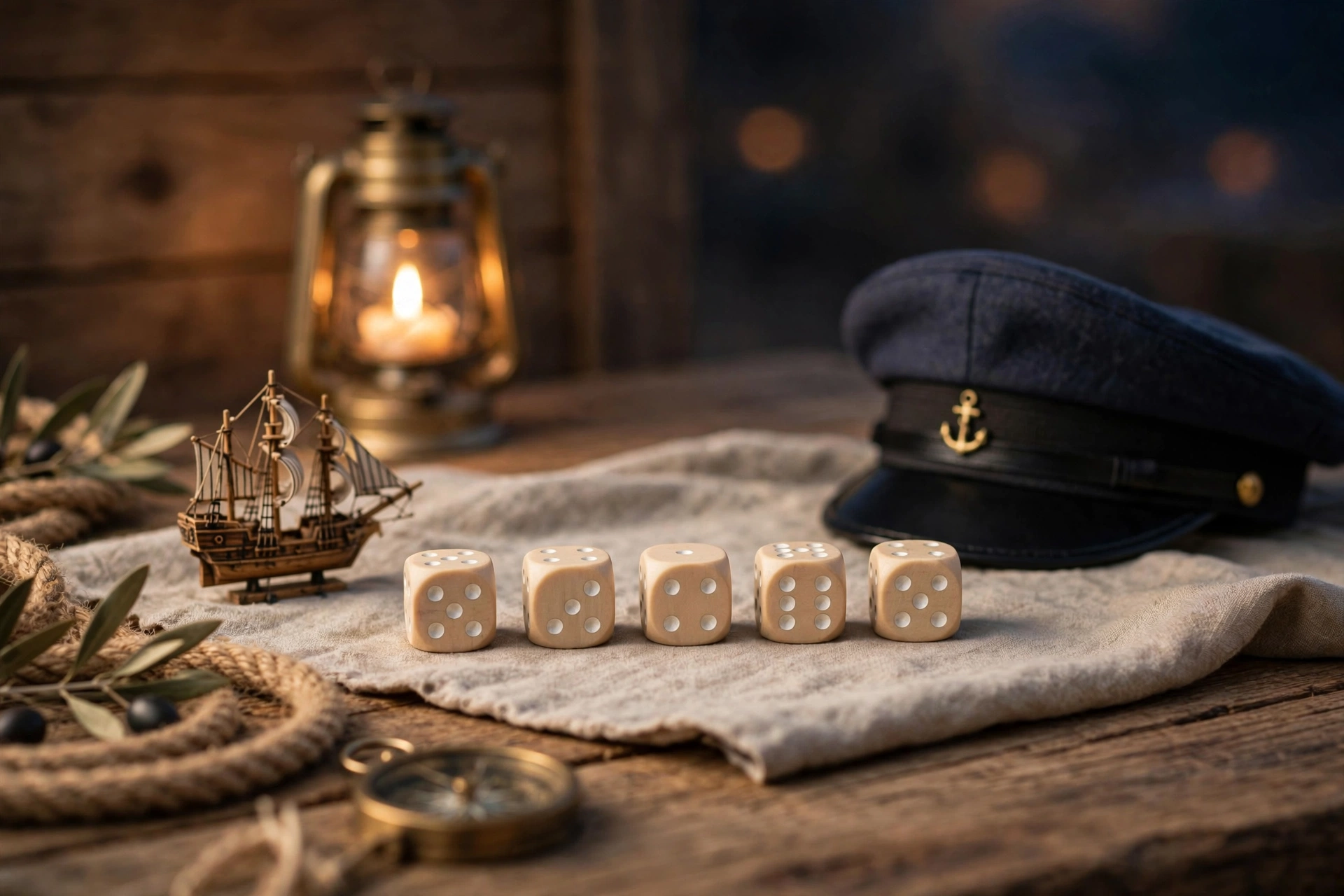
The Ship Captain Crew dice game is a classic entertainment game that has entertained people for generations. Whether you’re looking for a fun party game, a way to pass time with friends, or simply curious about traditional dice games, this guide will help you understand how it works and why it remains popular today. Dice games have been part of human entertainment since ancient times. The Ship Captain Crew game is one of the most straightforward and enjoyable examples of how simple dice and basic rules can create hours of entertainment. Let’s dive into everything you need to know about this timeless game.
What Is the Ship Captain Crew Game
Ship Captain Crew is a dice game that involves rolling dice to achieve specific number combinations. The game uses three standard six-sided dice and requires players to roll certain numbers in a particular sequence. It’s simple enough for children to learn but engaging enough to keep adults entertained. The game’s name comes from the three target numbers players must roll in sequence. These represent a ship, its captain, and the crew. The objective is to reach these numbers and then score the highest points possible with remaining rolls. This game works perfectly as a social activity at parties, family gatherings, or casual hangouts. It requires no special equipment beyond three dice and doesn’t involve any complex calculations or lengthy rule explanations.
The History of Dice Games
Dice games have existed for thousands of years across numerous cultures. Archaeological evidence shows that ancient Egyptians, Romans, and Chinese civilizations all enjoyed games involving dice. These games served both entertainment and decision-making purposes in different societies. The Ship Captain Crew game, while its exact origins are unclear, evolved from traditional European dice games. It gained significant popularity in the early 20th century and became a staple at family gatherings and social events. The game’s simplicity and quick gameplay made it ideal for casual entertainment. Throughout history, dice games have represented more than mere entertainment. They’ve been cultural touchstones that brought people together. The Ship Captain Crew game continues this tradition by offering accessible, straightforward fun for players of all ages.
How to Play Ship Captain Crew
Learning to play Ship Captain Crew takes just a few minutes. Here’s a step-by-step breakdown of the rules and gameplay.
Understanding the Target Numbers
The game focuses on three specific dice numbers that must be rolled in order. Here’s what each represents: A six represents the ship. This is the first number you must roll. A five represents the captain. This comes second in your sequence. A four represents the crew. This comes third in the sequence. Players must roll these numbers in this exact order: six, then five, then four.
Basic Gameplay Rules
On your turn, you roll all three dice. Your goal is to achieve the ship first, then the captain, and finally the crew. Here’s how it works: First, roll all three dice. If you roll a six, set it aside. Any dice that aren’t a six go back for your next roll. Continue rolling until you’ve rolled a six. Once you have the ship, focus on rolling a five while keeping the six aside. After rolling both a six and a five, roll for the four to complete the ship, captain, and crew sequence. Once you’ve achieved all three numbers, the two remaining dice represent your score. Add their values together. Higher numbers mean better scores.
Taking Turns
Players take turns rolling dice in order. Each player completes their turn once they’ve either achieved the ship, captain, and crew or failed to do so within their allocated rolls. A typical turn might allow three to six rolls, depending on house rules. After each player completes their turn, scores are recorded. The player with the highest total score after all rounds wins the game.
Why People Enjoy This Game
Ship Captain Crew has remained popular for over a century for several clear reasons.
Simple Rules Equal Easy Learning
You don’t need to study complex instructions or memorize lengthy rulebooks. The basic concept is straightforward, making it accessible to young players and experienced game enthusiasts alike. Children as young as five or six can learn and participate with minimal guidance.
Quick Gameplay
Rounds move quickly, keeping the energy high and preventing boredom. A single round typically takes just five to ten minutes, allowing multiple games in one session.
Social Engagement
This game naturally encourages interaction and friendly competition. Players watch each other, cheer for good rolls, and enjoy the shared excitement. It’s perfect for building connections at social gatherings.
No Special Equipment Needed
All you need are three standard dice. No board, cards, or electronic devices required. This makes it perfect for playing anywhere, anytime.
Element of Chance
While the outcome depends partly on luck, the game remains unpredictable and exciting. No two games play exactly the same way, keeping it fresh and entertaining.
Variations and House Rules
Many groups have developed their own variations of Ship Captain Crew to add different elements of interest.
Extended Scoring Methods
Some players add bonus points for specific achievements. For example, rolling doubles might add extra points, or rolling all three target numbers in a single round could provide a scoring bonus.
Number of Rounds
Standard play involves three to five rounds, but groups often adjust this based on available time and player preferences.
Dice Quantity Variations
Some versions use additional dice beyond the standard three, allowing for different scoring possibilities and more complex gameplay.
Time Limits
Players might add time limits for each turn, creating additional pressure and excitement. This keeps the game moving quickly and adds an element of rush.
Alternative Target Numbers
While the six, five, four sequence is traditional, some groups experiment with different number sequences or reverse the order.
Tips for Better Gameplay
Whether you’re a beginner or experienced player, these tips can enhance your experience.
Stay Focused During Your Turn
Keep track of which dice you’ve already achieved. Accidentally forgetting whether you have your ship or captain can lead to mistakes.
Understand Your Odds
Rolling a six on a standard die has a one in six chance. Knowing this helps set realistic expectations and adds to the enjoyment.
Manage Your Expectations
Remember that luck plays a significant role. Some players will naturally roll better numbers through pure chance. This randomness is part of what makes the game exciting.
Enjoy the Social Aspect
Focus on having fun with other players rather than getting too competitive. The real value of games like this lies in shared enjoyment and connection.
Practice Makes Better Gameplay
Playing multiple rounds helps you understand the flow and rhythm of the game, making subsequent plays more enjoyable.
Educational Value for Children
Ship Captain Crew offers several learning benefits for young players.
Number Recognition
Children practice identifying and recognizing numbers on dice, reinforcing basic numerical skills.
Counting and Addition
Adding dice values to calculate scores helps develop math skills in a fun, practical context.
Following Rules
Learning and applying game rules teaches children about structure and fairness in play.
Taking Turns
The game reinforces important social skills like patience and respecting others’ playing time.
Understanding Probability
While not explicitly taught, players naturally begin grasping basic probability concepts through repeated rolling and observation.
Playing Ship Captain Crew at Different Ages
This game adapts beautifully across age groups.
For Young Children
Ages five to eight can learn and enjoy simple rounds with minimal rules and shorter time expectations. Counting help from adults is perfectly fine.
For Tweens and Teens
Ages nine and up can fully grasp all rules and engage in competitive play. This age group often becomes most enthusiastic about creating variations and house rules.
For Adults
Adults enjoy the game for its simplicity and social nature. Many adult players add complexity through variations while maintaining the core gameplay’s ease.
Hosting a Game Night with Ship Captain Crew
Planning a game night featuring this classic game is straightforward.
Gathering Supplies
Get three standard dice per game. You might want to keep extra dice on hand in case some go missing during play.
Setting Up the Space
Choose a flat surface where dice rolls are visible to all players. A table works perfectly.
Explaining Rules Clearly
Take five minutes to walk new players through the basic rules before starting. Most people understand immediately.
Keeping Score
Use paper and pencil to track rounds and scores. This prevents disputes and adds organization.
Creating a Comfortable Atmosphere
Keep the environment relaxed and fun. Celebrate good rolls and laugh at unlucky ones. The goal is enjoyment, not serious competition.
Comparing Ship Captain Crew to Other Dice Games
Understanding how this game fits within the broader world of dice games helps appreciate what makes it special.
Similar Games
Other popular dice games include Farkle, Pig Dice, and Yacht. These games share Ship Captain Crew’s accessible rules and social nature while featuring different mechanics and scoring systems.
What Makes It Unique
Ship Captain Crew stands out for its extremely simple core concept and quick gameplay. The ship, captain, crew sequence is more intuitive than many competing games, making it ideal for mixed-age groups.
Common Questions About Ship Captain Crew
How Long Does a Game Last
A typical game with four players takes twenty to thirty minutes. Shorter games are possible with fewer players or fewer rounds.
What’s the Minimum Number of Players
While two players can technically play, the game is much more enjoyable with three or more participants. The social interaction becomes more engaging with larger groups.
Can You Play With More Than Three Dice
Yes, variations using more dice are common. This changes scoring and gameplay dynamics.
Is There Skill Involved
While luck dominates, some strategic thinking exists regarding when to stop rolling and accept your current score versus risking additional rolls for higher points.
The Enduring Appeal of Simple Games
In our modern world of complex video games and digital entertainment, simple games like Ship Captain Crew maintain surprising popularity. There’s something deeply satisfying about low-tech gameplay that brings people together. The success of this game demonstrates that entertainment doesn’t require complexity. Sometimes the simplest concepts create the most memorable experiences. The combination of chance, quick rounds, and social interaction creates magic that technology often struggles to replicate. Ship Captain Crew represents more than just a game. It’s a connection to gaming traditions spanning centuries and cultures. When you play this game, you’re participating in a form of entertainment that has brought joy to countless people across generations.
Final Thoughts
Ship Captain Crew remains a wonderful choice for entertainment, family bonding, and social gatherings. Its simple rules, quick gameplay, and universal appeal make it accessible to everyone. Whether you’re introducing this classic to new players or rediscovering it after years, you’ll likely find the same appeal that has kept this game alive for over a century. The beauty of Ship Captain Crew lies in its simplicity. You need nothing more than three dice and willing participants to create an enjoyable experience. In a world of increasingly complex entertainment options, this timeless game offers something refreshingly straightforward and genuinely fun. Start gathering your friends and family, grab those three dice, and experience the entertainment that has entertained generations. You might find that the simplest games create some of your best memories. Share this article with friends and family who love traditional games. Comment below to tell us your favorite memories playing Ship Captain Crew or your preferred house rules. We’d love to hear how this classic game has touched your life and gaming experiences. Note: This article is for informational and entertainment purposes only. It does not promote or encourage real-money gambling.


