


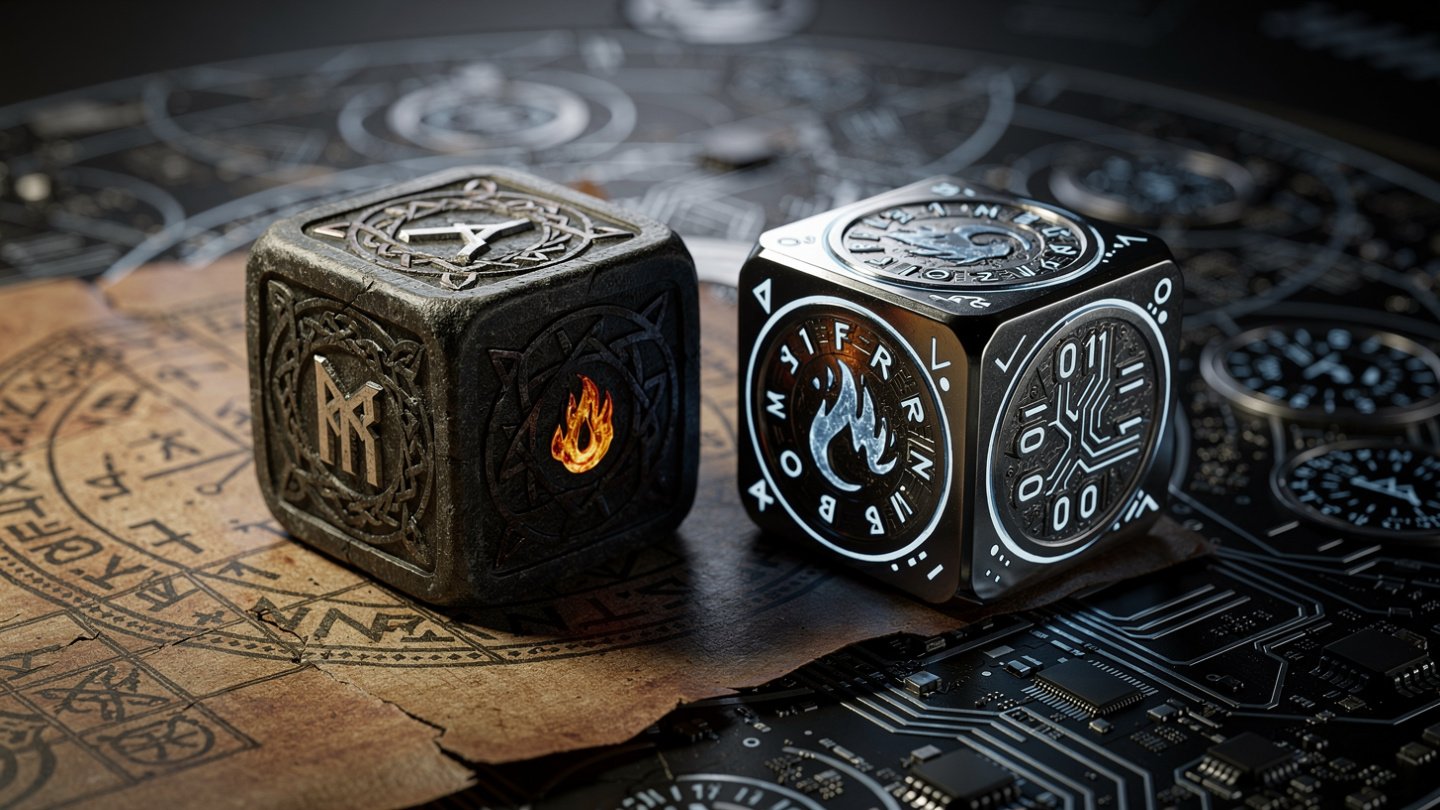
Dice games have entertained people for thousands of years. From ancient civilizations to modern family game nights, these simple numbered cubes continue to spark joy and creativity. But why settle for playing games others have created when you can design your own?
Creating your own dice game is a rewarding experience that combines creativity, logic, and playful experimentation. Whether you’re a parent looking for custom activities for your children, a teacher seeking engaging educational tools, or simply someone who loves games, designing your own dice game opens up endless possibilities.
This comprehensive guide will walk you through every step of creating your own dice game, from initial concept to final playtesting. You’ll learn the fundamental principles of game design, discover how to balance luck and strategy, and gain practical tips for bringing your vision to life.
Why Create Your Own Dice Game
Before diving into the how, let’s explore why creating your own dice game is worth your time and effort.
Personal Expression and Creativity
Designing a game allows you to express your unique perspective and interests. Whether you want to create a space exploration adventure, a math learning tool, or a silly party game, your creation reflects your personality and passions.
This creative outlet provides satisfaction similar to writing a story or painting a picture, but with the added dimension of interactive entertainment. You’re not just creating art, you’re building an experience others will enjoy.
Educational Value
Creating games teaches valuable skills including mathematical thinking, logical reasoning, and systems analysis. You’ll naturally engage with probability, cause and effect relationships, and balancing complex variables.
For educators and parents, designing custom games lets you target specific learning objectives. Need a multiplication practice game? A vocabulary builder? A geography quiz? You can create exactly what your students or children need.
Customized Entertainment
Store-bought games might not perfectly match your group’s preferences, age range, or available playtime. Custom games solve these problems by addressing your exact requirements.
You can adjust complexity for your audience, incorporate inside jokes or family traditions, and create experiences perfectly suited to your available time and space.
Cost-Effective Fun
Quality games can be expensive. Creating your own requires minimal investment. A few dice, paper, pencils, and household items provide everything you need. This makes game creation accessible regardless of budget constraints.
Understanding Basic Dice Mechanics
Before designing your game, you need to understand how dice work and what makes them interesting from a gameplay perspective.
Probability Basics
A standard six-sided die has equal probability for each face, meaning each number appears roughly one-sixth of the time with sufficient rolls. This randomness creates uncertainty, the foundation of dice game excitement.
Multiple dice create different probability distributions. Rolling two dice and adding them produces totals from two to twelve, but seven appears most frequently because multiple combinations create it. Understanding these patterns helps you design balanced challenges.
You don’t need advanced mathematics, just awareness that some outcomes happen more often than others. This knowledge helps you set appropriate difficulty levels and reward structures.
Types of Dice
Standard six-sided dice are most common, but many other options exist. Eight-sided, ten-sided, twelve-sided, and twenty-sided dice each offer unique probability ranges and aesthetic appeal.
Custom dice featuring colors, symbols, pictures, or words instead of numbers expand creative possibilities. You can purchase blank dice and customize them with stickers, permanent markers, or printed labels.
Dice also come in different sizes. Large foam dice work well for young children or active games. Tiny dice fit in portable travel games. Consider your audience and context when selecting dice types.
Core Rolling Mechanics
Most dice games use one of several basic rolling patterns. Single roll games resolve actions with one roll. Multiple roll games let players roll several times, often with choices about which dice to keep or reroll.
Sequential rolling means taking turns rolling one at a time. Simultaneous rolling has everyone roll together, speeding up gameplay but reducing direct interaction.
Conditional rolling introduces rules about when and how you can roll. You might earn extra rolls through achievements, lose roll opportunities through penalties, or face restrictions on which dice you can roll.
Steps to Create Your Own Dice Game
Now let’s walk through the actual creation process step by step. This structured approach helps you develop a coherent, playable game.
Step One: Define Your Goal
Start by identifying what you want your game to accomplish. Are you creating entertainment for a specific occasion? Teaching a particular skill? Filling a gap in your game collection?
Write down your primary objective. This becomes your north star, guiding decisions throughout the design process. When facing choices, ask which option better serves your core goal.
Consider your target audience carefully. Age, gaming experience, attention span, and group size all impact design decisions. A game for six-year-olds requires different elements than one for teenagers or adults.
Step Two: Choose a Theme
Theme provides context and makes your game memorable. It transforms abstract mechanics into an engaging narrative experience.
Your theme can be anything: exploring a jungle, running a bakery, racing cars, solving mysteries, or collecting treasures. Choose something that excites you and appeals to your intended players.
The theme should influence but not overwhelm gameplay. Strong mechanics work even without theme, but theme makes good mechanics great. Find the balance where theme enhances without complicating.
Step Three: Establish Core Mechanics
This is where you define how players actually interact with dice. Will they roll to move along a path? Roll to collect resources? Roll to overcome challenges?
Start simple. Choose one primary mechanic and build around it. You can add complexity later, but beginning with a clear, simple core prevents confusion and design paralysis.
Common core mechanics include racing to a finish line, collecting sets of matching results, achieving target numbers, or accumulating the highest total score. Pick one that fits your theme and goal.
Step Four: Create Rules for Success
How do players achieve victory? Clear win conditions give your game purpose and direction.
Victory might come from reaching a specific score, being first to complete an objective, having the most of something when the game ends, or surviving the longest. Choose conditions that create satisfying conclusions without dragging on indefinitely.
Consider whether your game should be competitive or cooperative. Competitive games pit players against each other. Cooperative games unite everyone against game-controlled challenges. Both offer engaging experiences with different social dynamics.
Step Five: Add Strategic Decisions
Pure luck games entertain briefly but lack lasting appeal. Strategic choices create engagement and reward skillful play.
Decisions can involve which dice to reroll, how to spend rolled results, when to use special abilities, or which objectives to pursue. Each choice should feel meaningful, with no obviously correct answer every time.
Balance is key. Too few choices make games feel scripted. Too many choices cause analysis paralysis. Aim for two to four meaningful decisions per turn for optimal engagement.
Step Six: Design Balancing Elements
Games need mechanisms that prevent early leaders from becoming unstoppable or trailing players from falling hopelessly behind.
Catch-up mechanics help losing players without punishing success. These might include bonus rolls for players in last place, increasing rewards for difficult challenges, or scoring that accelerates near game end.
Randomness naturally provides some balancing through lucky and unlucky streaks. Don’t eliminate all randomness trying to make games “fair” because uncertainty creates excitement.
Step Seven: Create Components
List everything players need. This typically includes dice, a way to track scores, possibly a game board or playing area, and any special cards or tokens your rules require.
Keep components simple initially. Use paper for scoreboards, drawn grids for game boards, and coins or buttons for tokens. You can create polished versions later if the game succeeds.
Make sure components are clear and functional. Players shouldn’t struggle to understand what something represents or how to use it. When in doubt, choose clarity over aesthetics.
Step Eight: Write Clear Rules
Document your rules in writing. This forces you to think through every detail and creates a reference for players.
Organize rules logically. Start with the game’s objective, then explain setup, turn structure, and special situations. Use numbered lists, bullet points, and examples to enhance clarity.
Test your written rules by having someone unfamiliar with your game read them and try to play without your help. Their confusion reveals areas needing clarification.
Playtesting Your Dice Game
Creating the initial version is just the beginning. Playtesting refines your game from interesting idea to polished experience.
Initial Solo Testing
Before involving others, play your game yourself controlling multiple players. This reveals obvious problems like impossible objectives, confusing rules, or boring pacing.
Take notes during solo testing. When something feels off, write it down immediately. Your first impressions highlight issues that might become invisible through familiarity.
Don’t fall in love with your initial version. Expect to change significant elements. Most successful games go through dozens of iterations before reaching final form.
Testing with Your Target Audience
Once solo testing identifies and fixes major issues, invite people from your target audience to play. Their feedback provides invaluable insights about clarity, difficulty, and enjoyment.
Watch players carefully during testing. Notice when they seem confused, bored, or frustrated. These moments reveal design problems more accurately than their polite verbal feedback.
Ask specific questions after testing. Instead of “Did you like it?” ask “Which parts felt most exciting?” or “When did you feel confused?” Specific questions generate actionable feedback.
Common Problems and Solutions
Many design issues appear frequently. Learning to recognize and address them improves your game quickly.
If games take too long, reduce the victory threshold, eliminate slow mechanics, or allow simultaneous actions. If games end too quickly, increase requirements or add intermediate goals.
Confusing rules need simplification or better explanation. If multiple playtesters misunderstand the same rule, the problem is your explanation, not their comprehension. Rewrite it clearly or change the mechanic entirely.
Dominant strategies where one approach always wins indicate poor balancing. Add variability to make different strategies viable or create situations where the dominant strategy stops working.
Iterating and Improving
Use feedback to make targeted improvements. Change one thing at a time so you can identify what helped versus what didn’t.
Keep notes about what you changed and why. This documentation helps you track your design evolution and sometimes reveals that earlier discarded ideas actually worked better.
Know when to stop tweaking. Perfect is the enemy of good. Once your game consistently produces fun experiences, accept that it’s finished even if minor imperfections remain.
Adding Educational Elements
If you’re creating games for learning purposes, these strategies help you integrate education seamlessly.
Math Skills Development
Dice games naturally practice counting, addition, and probability. Enhance this by requiring specific calculations to score points or advance.
Mental math improves through repeated practice in enjoyable contexts. Players won’t realize they’re doing dozens of arithmetic problems because they’re focused on gameplay.
Introduce concepts progressively. Start with simple addition, then incorporate subtraction, multiplication, or even fractions and percentages for advanced players.
Literacy and Language Building
Word-based dice games develop vocabulary and spelling skills. Use dice with letters instead of numbers, or require players to describe their actions using specific words.
Storytelling games where dice determine plot elements strengthen creative writing and narrative construction abilities. Players practice organizing ideas coherently and engaging listeners.
Reading comprehension improves through games with written cards or instructions that players must interpret and follow correctly.
Critical Thinking and Logic
Strategy games teach planning, prediction, and consequence evaluation. Players naturally develop these skills while pursuing victory.
Pattern recognition games strengthen analytical abilities. Players must identify relationships, categorize information, and apply logical rules consistently.
Problem-solving scenarios where dice determine random complications require adaptive thinking and creative solutions.
Theme Ideas for Your Dice Game
Struggling with theme selection? These categories might spark inspiration.
Adventure and Exploration
Journeys through jungles, outer space, underwater realms, or fantasy kingdoms provide exciting contexts. Dice rolls determine encounters, discoveries, and travel progress.
Adventure themes naturally accommodate both cooperative and competitive formats. Players might race each other to a destination or work together against environmental challenges.
Occupational and Simulation
Games simulating jobs like running restaurants, managing farms, or operating shops teach planning and resource management while entertaining players.
These themes work well for educational purposes because they model real-world systems and consequences in simplified, accessible ways.
Sports and Competition
Racing, tournaments, and athletic challenges translate naturally to dice-based gameplay. Rolls represent performance, with strategy coming from managing abilities and choosing when to push hard.
Sports themes appeal to competitive players and work well for quick, energetic gameplay sessions.
Mystery and Detective
Investigation games where dice reveal clues combine luck with deductive reasoning. Players gather information through rolls and solve puzzles to win.
Mystery themes create narrative tension and reward careful attention to details and patterns.
Materials and Resources for Game Creation
You don’t need expensive supplies to create games. These affordable materials cover most design needs.
Essential Supplies
Standard six-sided dice are available cheaply at dollar stores, game shops, or online retailers. Start with a set of ten to twenty dice in various colors for maximum flexibility.
Paper and pencils handle scorekeeping, board creation, and note-taking. Graph paper helps design grids and game boards with consistent spacing.
Index cards work perfectly for creating custom cards with special abilities, events, or objectives. They’re sturdy enough for repeated handling yet cheap enough for extensive iteration.
Optional Enhanced Materials
Blank dice available online let you create fully custom faces using stickers or permanent markers. These enable symbol-based or word-based games beyond standard numbers.
Cardstock and laminating sheets produce more durable game boards and cards if your game becomes a keeper. Many print shops offer affordable laminating services.
Small objects like buttons, coins, beans, or craft beads serve as tokens or markers. Visit craft stores for inexpensive options in various colors and sizes.
Digital Tools
Free spreadsheet software helps track complex scoring systems or calculate probabilities. You don’t need advanced skills, just basic formulas for addition and comparison.
Word processors create professional-looking rule sheets with formatting, images, and clear organization. Most computers include these programs free.
Online random number generators can substitute for physical dice during digital testing, though physical dice provide better tactile experiences for final versions.
Tips for Successful Game Design
These general principles help you avoid common pitfalls and create better games faster.
Start Simple
Your first game shouldn’t be enormously complex. Begin with straightforward mechanics you can explain in two minutes. You can always add complexity in future versions or future games.
Simple games often prove more replayable than complicated ones. Elegance comes from achieving interesting gameplay with minimal rules, not from piling on mechanics.
Embrace Constraints
Limitations spark creativity. Challenge yourself to design using only three dice, or make a game playable in five minutes, or create something using only materials in your kitchen.
These constraints force innovative thinking and prevent overwhelming yourself with infinite possibilities.
Steal Smartly
Study existing games and identify mechanics you enjoy. Adapt these ideas to your theme and goals. All creative work builds on what came before.
Stealing means learning from and building upon others’ ideas, not copying games exactly. Take a mechanic from one game, combine it with a theme from another, add your unique twist, and you’ve created something new.
Fail Fast
Not every idea works. When something clearly isn’t fun, abandon it quickly rather than investing hours trying to fix fundamentally flawed concepts.
Rapid prototyping and quick testing help you fail fast and move on to better ideas. Treat failures as learning experiences that guide you toward success.
Have Fun
If you’re not enjoying the design process, players won’t enjoy the result. Game creation should be playful exploration, not tedious work.
When you’re stuck or frustrated, take a break. Fresh perspectives often emerge after stepping away from a problem temporarily.
Sharing Your Dice Game
Once you’ve created and refined your game, consider sharing it with others beyond your immediate circle.
Family and Friends
Host a game night featuring your creation. This provides validation, spreads joy, and might inspire others to try designing their own games.
Create handmade copies as gifts for people you know would appreciate them. Personalized games make thoughtful presents that show care and creativity.
Educational Settings
Teachers can use custom dice games as classroom activities. Share your educational games with fellow educators through teacher forums, blogs, or resource-sharing websites.
Many educational websites accept user-submitted content. Contributing your games helps other teachers while establishing you as a creative educator.
Online Communities
Board game design forums welcome creators at all skill levels. These communities offer feedback, encouragement, and opportunities to learn from experienced designers.
Social media groups focused on game design, teaching resources, or specific topics related to your theme provide audiences interested in your creation.
Print and Play Distribution
Some websites host free print-and-play games that anyone can download, print, and assemble. Contributing your game to these collections spreads your work to interested players worldwide.
Provide clear instructions, component templates, and attractive presentation to make your game appealing and accessible to potential players.
Final Thoughts
Creating your own dice game is a journey of creativity, problem-solving, and playful experimentation. Whether you design simple games for young children, complex strategies for experienced players, or educational tools for learning environments, the process teaches valuable skills while producing entertainment.
Start small, test frequently, and embrace iteration. Your first game might not be perfect, but each design attempt improves your understanding of what makes games engaging and enjoyable.
The dice you roll represent infinite possibilities. Each combination creates new scenarios, challenges, and stories. By designing games around these simple randomizers, you transform mathematical probability into human experiences of joy, excitement, and connection.
So gather some dice, grab paper and pencil, and start creating. The gaming world awaits your unique contribution. Who knows? Your homemade dice game might become a treasured tradition in your family, classroom, or community.
Share this article with fellow game enthusiasts, educators, parents, or anyone who might enjoy creating their own dice games. Leave a comment below describing a dice game you’ve created or an idea you’re excited to develop. Let’s build a community of creative game designers who celebrate the endless entertainment possibilities of simple numbered cubes.
Note: This article is for informational and entertainment purposes only. It does not promote or encourage real-money gambling.


