


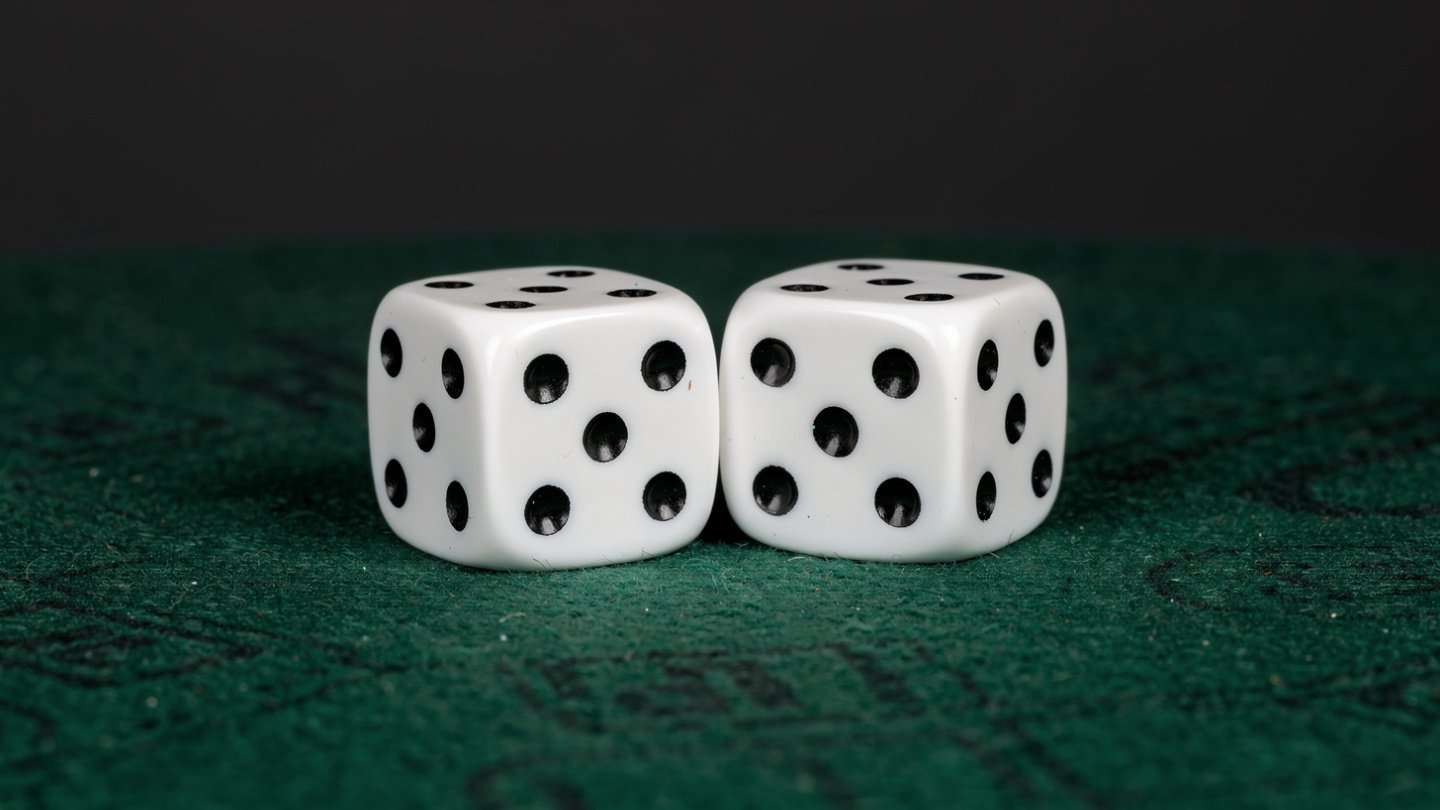
Farkle is one of those classic dice games that somehow manages to be simple enough for kids and strategic enough for adults to argue about for twenty minutes straight. If you have ever sat around a table looking for a fun, fast-paced game that requires nothing more than six dice and a score sheet, Farkle might just become your new favorite.
In this complete beginner’s guide, you will learn everything about Farkle, including its history, full rules, scoring system, gameplay tips, and strategies to help you outsmart your friends and family. By the end of this article, you will be ready to roll with confidence.
What Is Farkle and Why Is It So Popular
Farkle is a classic chance-based dice game where players roll six dice and try to score points through specific combinations. The twist is that players must decide after each roll whether to keep scoring and risk losing everything or stop and lock in their points safely.
This push-your-luck mechanic is what makes Farkle so addictive. Every turn becomes a small internal debate between the cautious voice in your head and the daring one. Most of the time, the daring one wins. And then you lose all your points. And then everyone laughs. That is the Farkle experience in a nutshell.
The game goes by many names around the world, including Zonk, Zilch, 10000, and Hot Dice. According to game historians, Farkle has roots that trace back to the 1980s when it was popularized in the United States, though some researchers believe similar dice scoring games existed as far back as the 15th century in Europe.
Today, Farkle appears in board game stores, mobile apps, travel game sets, and countless family game nights across the globe. It is genuinely one of the most played casual dice games in the world.
What You Need to Play Farkle
Setting up Farkle takes about thirty seconds. Here is everything you need:
Six standard six-sided dice
A score sheet or notepad and pen
At least two players (the game works well with two to eight players)
A flat surface to roll the dice
That is your entire setup. No board, no cards, no complicated pieces. Just dice and a desire to outscore everyone else at the table.
Understanding the Basic Objective of Farkle
The goal in Farkle is simple. Players take turns rolling dice and collecting points based on specific scoring combinations. The first player to reach or exceed 10,000 points wins the game.
However, reaching 10,000 is not as straightforward as it sounds. Every turn carries the risk of a Farkle, which means rolling dice and scoring absolutely zero points for that roll. When you Farkle, you lose all the points you collected during that turn, even if you had a big number built up.
This tension between collecting more points and stopping safely is the heart of the game.
Full Farkle Scoring Rules Explained
Before you can play, you need to memorize the scoring combinations. Here is a full breakdown of how points work in Farkle.
Single Die Scores
A single one scores 100 points.
A single five scores 50 points.
All other single dice, meaning twos, threes, fours, and sixes, score zero points on their own.
Three of a Kind Combinations
Rolling three of the same number scores as follows:
Three ones score 1,000 points.
Three twos score 200 points.
Three threes score 300 points.
Three fours score 400 points.
Three fives score 500 points.
Three sixes score 600 points.
Notice that three ones are worth significantly more than any other three of a kind. Remember that rule because it changes how you think about rolls that include aces.
Four Five Six of a Kind
Four of the same number scores double the three of a kind value.
Five of the same number scores triple the three of a kind value.
Six of the same number scores six times the three of a kind value, which in most versions scores an instant 3,000 points or more depending on the house rules you use.
Special Combinations
These combinations use all six dice at once and are considered high-value scoring rolls.
A straight from one to six, meaning one die showing each number from 1 through 6, scores 1,500 points in most versions.
Three pairs, for example two twos, two fives, and two sixes, score 1,500 points.
Four of a kind plus a pair scores 1,500 points in some versions.
Two triplets, like three fours and three sixes, score 2,500 points in many popular rule sets.
It is worth noting that Farkle rules can vary slightly depending on the version you play. Before starting, agree on which special combinations you will use. Many families and groups develop their own preferred rule sets over time, which is part of what gives the game such lasting appeal.
How to Play Farkle Step by Step
Step 1 Decide Who Goes First
The most common method is to have each player roll one die. The player who rolls the highest number goes first. In case of a tie, those players roll again.
Step 2 Roll All Six Dice
The active player picks up all six dice and rolls them onto the playing surface. After rolling, the player looks at the results and identifies any scoring combinations.
Step 3 Set Aside Scoring Dice
The player must set aside at least one scoring die before deciding to continue. For example, if you roll and see a one among your dice, you must set that one aside and score 100 points minimum before deciding your next move.
You cannot set aside non-scoring dice and you cannot pick up dice you have already set aside.
Step 4 Decide to Roll Again or Stop
Here is where the real decision-making happens. After setting aside scoring dice, you have two choices.
You can stop and add your accumulated points for that turn to your total score. This is the safe play.
You can roll the remaining dice and try to score more points. This is the exciting play, but it carries the risk of a Farkle.
Step 5 Watch Out for a Farkle
If you roll the remaining dice and none of them produce any scoring combinations, that is a Farkle. You immediately lose all the points you collected during that turn and pass the dice to the next player.
For example, imagine you have set aside a one and a five, scoring 150 points. You decide to roll the remaining four dice hoping for more. If those four dice come up as two, three, four, and six with no three of a kind, you have Farkled and lose your 150 points.
Step 6 Hot Dice Rule
If you successfully score with all six dice during a turn, that is called Hot Dice. When this happens, you can pick up all six dice again and continue rolling without losing your accumulated points. This is one of the most exciting moments in the game because it gives you a chance to build an enormous score in a single turn.
Step 7 Getting on the Board
Most Farkle versions include a minimum entry rule. Players cannot add any points to their total score until they score at least 500 points in a single turn. Until you hit that threshold in one continuous turn, your points do not count even if you choose to stop early.
This rule prevents players from sitting on tiny scores and adds early-game tension.
Step 8 Reaching 10000 Points
When a player reaches or exceeds 10,000 points, the game does not end immediately. Every other player gets one final turn to match or beat that score. If another player matches or beats the leader’s score in their final turn, the game continues to give the original leader another chance, depending on the version you play.
The player with the highest score when the final round ends wins.
Common Farkle Mistakes Beginners Make
Rolling Too Aggressively Early On
New players often get excited and keep rolling when they should stop. If you have 350 points and only two dice left, the odds of those two dice producing meaningful points are not in your favor. Sometimes stopping at 300 is smarter than chasing 500.
Not Tracking Other Players’ Scores
Farkle is not just about your own dice. Keep an eye on where other players stand. If someone is close to 10,000, you may need to take more risks to keep up rather than playing it safe.
Forgetting the Minimum Entry Score
Beginners sometimes forget about the 500-point minimum and stop their turn at 300 or 400. Remember, those points will not count on the scoreboard until you cross that threshold in a single turn.
Ignoring the Hot Dice Opportunity
When you score with all six dice, always consider using the Hot Dice opportunity. Passing it up when you have low accumulated points is usually a missed chance to build real momentum.
Farkle Strategy Tips That Actually Work
Know Your Dice Odds
With four dice remaining, your chance of Farkling is roughly 28 to 30 percent according to probability analyses. With three dice, that rises to around 44 percent. With two dice, it jumps close to 56 percent. These numbers help you make smarter decisions about when to stop rolling.
Set a Personal Stop Target
Many experienced players set a mental target for when they will stop during a turn, usually around 300 to 500 points. Having a stopping rule prevents emotional decisions and keeps your score growing steadily.
Be Aggressive When You Are Behind
If you are significantly behind on the scoreboard, playing safe will not help you catch up. Take calculated risks when it makes sense strategically, especially if you have four or more dice remaining.
Play Conservatively When You Are Leading
If you are close to winning, do not blow your lead by rolling recklessly with two dice left. Sometimes locking in 400 points and passing the turn is the smarter long-term move.
Why Farkle Is Great for All Ages
Farkle works beautifully across age groups. Children as young as seven or eight can learn the basic scoring rules quickly and enjoy the excitement of rolling. Teenagers and adults appreciate the deeper strategic layer of knowing when to stop.
Teachers and educators also recognize Farkle as a useful learning tool. The game naturally reinforces basic addition, probability thinking, and decision-making under uncertainty. Playing Farkle regularly helps young players develop mental math skills without even realizing they are learning.
According to educational research on game-based learning, games that involve numerical scoring and decision-making improve mathematical confidence in children over time. Farkle fits that description perfectly.
Farkle Variations Worth Trying
Once you master the standard rules, try these popular variations to keep things fresh.
Team Farkle
Players split into teams and combine their scores. This version encourages discussion and shared decision-making about when to roll and when to stop.
Speed Farkle
Players use a timer for each turn, adding pressure and making the push-your-luck decision even more intense.
Mega Farkle
Use eight or ten dice instead of six for bigger combinations and higher scores. The target score also increases, often to 20,000 or 25,000 points.
How Farkle Compares to Other Dice Games
Farkle shares similarities with games like Yahtzee and Bunco, but its open-ended push-your-luck mechanic gives it a distinct identity. Unlike Yahtzee where you are chasing specific combinations on a fixed score sheet, Farkle gives you free-form scoring freedom every single turn.
This freedom makes Farkle feel more dynamic and player-driven. There is no right answer about when to stop, and that ambiguity is exactly what makes every turn feel meaningful and memorable.
Final Thoughts on Learning Farkle
Farkle is a fantastic game that rewards bold decisions, smart thinking, and just a touch of good fortune. The rules are easy to learn, the gameplay is fast and engaging, and the experience is different every single time you play.
Whether you are introducing it to your family on a rainy evening or bringing it out at a social gathering, Farkle delivers genuine fun without requiring any complicated setup or expensive equipment.
Now that you know the rules, the scoring system, and the strategies, there is only one thing left to do. Grab six dice, gather your people, and start rolling.
If this guide helped you understand Farkle better, share it with someone who would enjoy learning the game. Drop a comment below and tell us your most dramatic Farkle moment or the highest single-turn score you have ever pulled off. We would genuinely love to hear your stories.
Note: This article is for informational and entertainment purposes only. It does not promote or encourage real-money gambling.


