


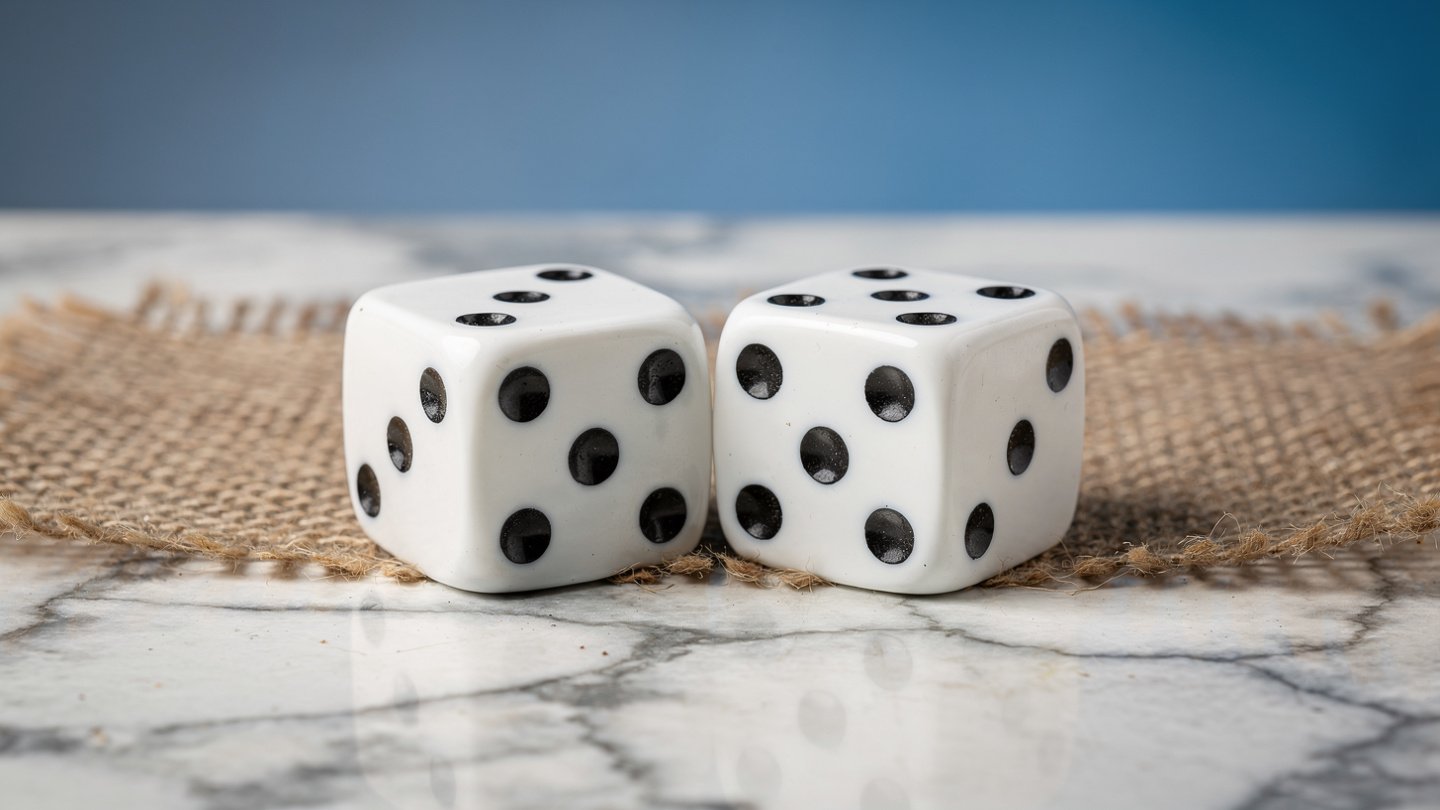
Yahtzee continues to entertain families around the world with its perfect blend of dice rolling, smart choices, and satisfying moments. If you have ever wanted to understand the game but felt overwhelmed by the scorecard, this guide walks you through everything step by step. You will learn the complete rules, scoring details, useful strategies, and the reasons this classic entertainment game has remained popular for decades.
Whether you are introducing the game to your children or refreshing your own skills before family game night, this article answers all your questions in a clear and friendly way. Let us roll into the world of Yahtzee.
What Is Yahtzee and Where Did It Come From
Yahtzee is a popular dice game where players roll five dice up to three times per turn to create specific combinations. They then record those combinations on a scorecard that offers 13 different categories. The player with the highest total score at the end wins the game.
The history of Yahtzee goes back to the 1940s. A Canadian couple created an early version called Yacht while sailing with friends. They enjoyed the game so much that they made extra copies as gifts. In the 1950s, entrepreneur Edwin S. Lowe acquired the rights, renamed it Yahtzee, and began marketing it widely. Hasbro now owns the official version and continues to produce it for new generations of players.
According to Hasbro’s official game history, Yahtzee quickly became a bestseller because it combined simple dice rolling with meaningful decision making. Today it ranks among the most recognized dice games globally alongside classics like Farkle and Liar’s Dice.
What You Need to Play Yahtzee
One of the best features of Yahtzee is its minimal equipment requirement. You only need:
- Five standard six-sided dice
- One Yahtzee scorecard for each player
- A pencil or pen
- Two or more players
Many people use the official scorepads available in Yahtzee game sets, but you can also print free scorecards from trusted game sites or simply draw your own. The game works well for two to six players and usually takes 30 to 45 minutes to complete.
The Main Objective in Yahtzee
Players compete to achieve the highest total score by filling all 13 categories on their scorecard. Each turn gives you up to three rolls to create strong combinations. You must choose wisely which category to fill because once you record a score in a box, you cannot change it.
The game rewards both lucky rolls and smart decisions about which dice to keep and which categories to target. This balance between chance-based gameplay and thoughtful prediction of outcomes creates lasting appeal.
Understanding the Yahtzee Scorecard
The official scorecard divides into two main sections. The upper section focuses on single numbers while the lower section features combination patterns. Learning both sections thoroughly helps you make better choices during play.
Upper Section Scoring Categories
The upper section contains six boxes: Aces, Twos, Threes, Fours, Fives, and Sixes.
- Aces: Count only the total of all dice showing one.
- Twos: Count only the total of all dice showing two.
- Threes: Count only the total of all dice showing three.
Continue this pattern through Sixes. If you roll and score 18 points in the Threes category, for example, you simply write 18 in that box.
A special bonus exists in the upper section. If your total across all six upper categories reaches 63 points or more, you receive a 35-point bonus. This bonus encourages players to aim for at least three of each number across their rolls. Many beginners overlook this bonus early in the game, but experienced players treat it as an important target.
Lower Section Scoring Categories
The lower section offers more variety and usually higher point values. Here are the official categories with clear explanations and examples:
Three of a Kind: You need at least three dice showing the same number. Score the total value of all five dice. Example: Rolling 4, 4, 4, 2, and 1 gives you 15 points.
Four of a Kind: You need at least four matching dice. Score the total of all five dice. Example: 5, 5, 5, 5, and 3 equals 23 points.
Full House: Three dice of one number and two dice of another number. This scores a fixed 25 points. Example: 6, 6, 6, 1, and 1 works perfectly.
Small Straight: Four sequential numbers. This scores 30 points. Example: 1, 2, 3, 4, and any fifth die qualifies.
Large Straight: Five sequential numbers. This scores 40 points. Example: 2, 3, 4, 5, 6 is ideal.
Yahtzee: All five dice showing the same number. This scores 50 points. Rolling a Yahtzee creates one of the most exciting moments in the game and often leads to cheers around the table.
Chance: You can use this category for any roll. Simply add up the total value of all five dice. It serves as a useful safety net when other categories no longer fit your rolls.
If you roll a second Yahtzee after already scoring 50 in that box, you can earn bonus points by marking the Yahtzee bonus section at the bottom of the card. Official rules award 100 points for each additional Yahtzee when used correctly.
How to Play Yahtzee Step by Step
Step 1 Prepare and Choose First Player
Each player receives a scorecard. To decide who starts, have everyone roll all five dice once. The player with the highest total goes first. Play then continues clockwise around the table.
Step 2 Begin Your Turn with the First Roll
Roll all five dice. Look carefully at the results and decide which dice support strong combinations. You may keep any dice you like and reroll the rest.
Step 3 Use Your Second and Third Rolls Wisely
You can reroll up to two more times, choosing which dice to roll each time. Many players keep dice that match numbers they need while rerolling others. For instance, if you roll two sixes on your first roll, you might keep those sixes and reroll the remaining three dice hoping for more sixes or a useful pattern.
After your third roll or when you choose to stop early, you must select one open category on your scorecard and write down your score. Even if the score is zero, you still fill a box.
Step 4 Continue Through 13 Rounds
Each player completes 13 turns, filling every box exactly once. The game ends when all scorecards are completely filled. Players then add their totals, including any upper section bonus, and compare final scores. The highest score wins.
Step 5 Track Scores Accurately
Add scores carefully at the end of each turn. Double-check addition before moving to the next player. Small math errors can change the final result in a close game.
Smart Strategies for Better Yahtzee Play
Focus on the upper section bonus during your first few turns. Scoring at least three ones, three twos, and so on gives you a strong foundation and that valuable 35-point bonus.
Save the Chance category for difficult rolls that do not fit anywhere else. Using it too early limits your options later when you really need it.
Prioritize Large Straight and Yahtzee early if the dice support those patterns. These high-value boxes become harder to fill as the game progresses.
Watch what other players are scoring. If everyone seems to be struggling with Small Straights, you might focus elsewhere to gain an advantage.
When you roll a Yahtzee, consider which number works best with your current open boxes. A Yahtzee in Sixes gives you 30 points in the upper section while also scoring 50 in the lower section if you place it there.
Common Mistakes Beginners Make
Many new players chase perfect combinations on every turn and end up with several zero scores. Instead, take the points you have available and move on.
Another frequent error involves ignoring the upper section bonus. Players who spread their upper section scores too thin often miss the 35 extra points.
Some beginners reroll good dice unnecessarily. If you already have a Full House after two rolls, stop rolling and record the 25 points rather than risking a worse outcome.
Forgetting to use the three rolls fully is also common. Always look for ways to improve your roll before recording your score.
Why People Enjoy Yahtzee So Much
Yahtzee brings families together because it balances luck with real decision making. Children practice addition and pattern recognition while adults enjoy the strategic depth. The game creates natural moments of excitement when someone rolls a Large Straight or celebrates a rare Yahtzee.
Its social nature stands out too. Players often share stories between turns and cheer for each other even while competing. This friendly atmosphere makes Yahtzee ideal for holidays, rainy days, and casual gatherings.
According to research on tabletop games from sources like the American Journal of Play, games like Yahtzee support cognitive development, social bonding, and healthy competition in a safe environment. These benefits help explain its lasting popularity across age groups.
Educational Benefits of Playing Yahtzee
Regular play improves several important skills. Children strengthen mental math through constant addition of dice values. The game also develops probability awareness as players learn which combinations appear more frequently.
Strategic thinking grows when deciding whether to reroll or protect an existing pattern. Pattern recognition skills improve through repeated practice with straights and matching sets.
These educational advantages make Yahtzee more than simple entertainment. Teachers and parents often use it as a fun learning tool that feels like pure play.
Popular Yahtzee Variations to Try
Once you master the classic rules, consider these friendly variations:
Team Yahtzee: Players divide into teams and share a single scorecard. This version promotes discussion and collaborative decision making.
Timed Yahtzee: Add a two-minute limit per turn to increase energy and quick thinking.
Maximum Score Challenge: Instead of competing against each other, everyone tries to beat their own personal best total score.
Wild Dice: Some families allow one die to act as a wild card that can represent any number. This creates more opportunities for high scores and works well with younger players.
These variations keep the game fresh while teaching players how rules can change the overall experience.
How Yahtzee Fits Among Classic Dice Games
Yahtzee belongs to a long tradition of dice games that includes Farkle, Liar’s Dice, and Ten Thousand. While Farkle emphasizes push-your-luck scoring and Liar’s Dice focuses on bluffing and prediction, Yahtzee stands out because of its structured scorecard and multiple strategic paths.
Each game offers different lessons. Yahtzee particularly excels at teaching category management and long-term planning. Playing several types of dice games helps players appreciate the unique qualities each one brings to family entertainment.
Final Thoughts on Mastering Yahtzee
Yahtzee rewards patience, logical thinking, and the willingness to adapt when luck changes your plans. The rules may seem detailed at first, but they become second nature after just a few games. The real joy comes from gathering people you care about, rolling dice, and creating memories through shared laughter and friendly competition.
With this guide, you now possess all the knowledge needed to play confidently and help others learn. The next time you open that Yahtzee box, you will understand exactly how to turn random dice rolls into satisfying scores.
Share this article with friends and family members who might enjoy learning the game. Comment your thoughts below and tell us about your highest Yahtzee score or most memorable roll. We love reading real player stories and experiences.
Note: This article is for informational and entertainment purposes only. It does not promote or encourage real-money gambling.


